Digital Media Studies Program @ University of Rochester
CAPSTONE: DOS/TWO
2026 Communication Arts Interactive Media Awards Finalist
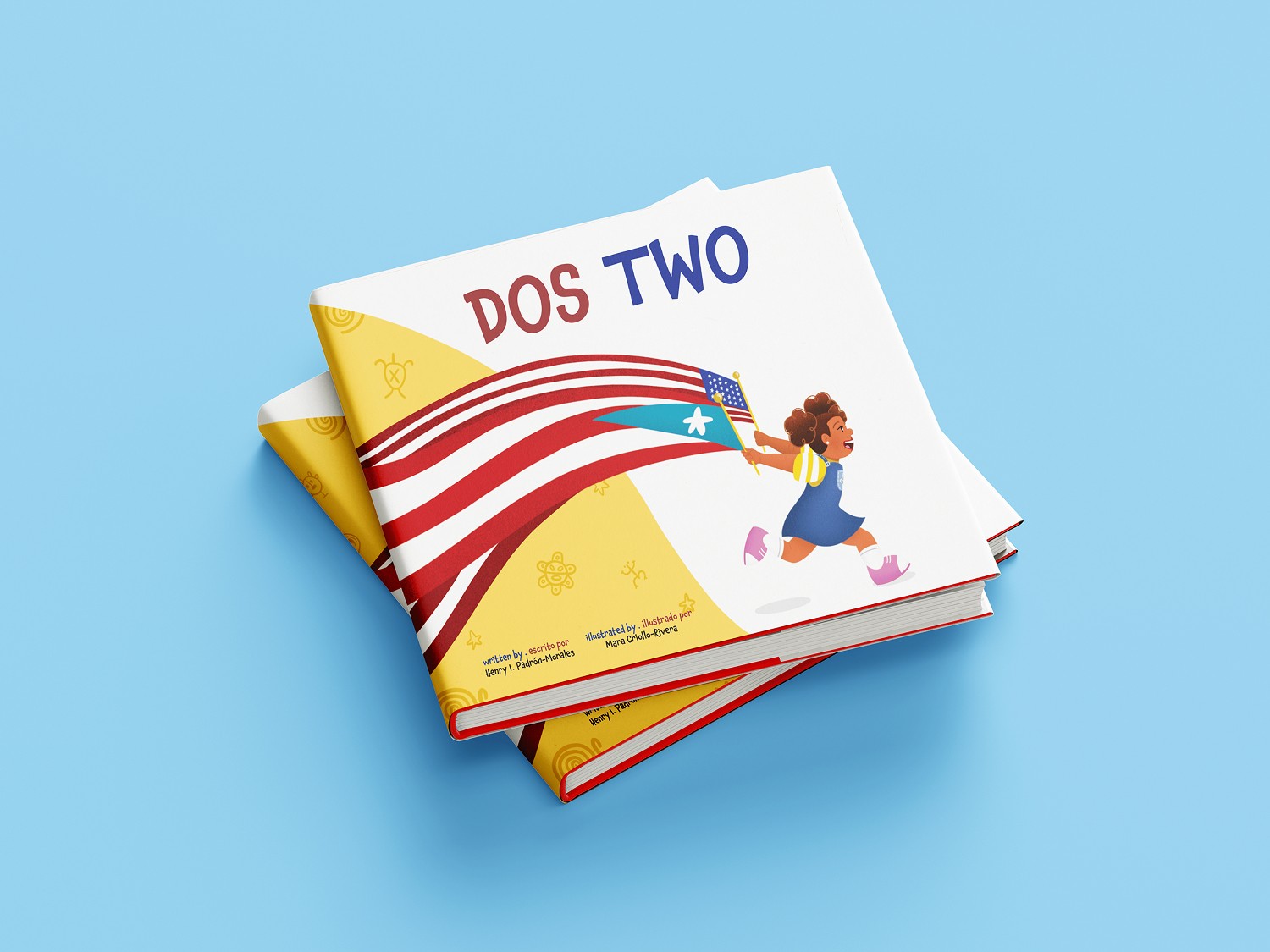
Bringing a bilignual story to life through interactivity and play — Our Digital Media Capstone team and author Henry Padrón-Morales collaborated to bring a vibrant Latino children’s storybook to life. The book follows Clarita, an Afro-Latina girl learning to embrace her Puerto Rican roots while growing up in the U.S.
PRODUCT DEMO
How might we design a bilingual reading experience that combines engaging
storytelling and play to
celebrate culture and support language learning?
The Team
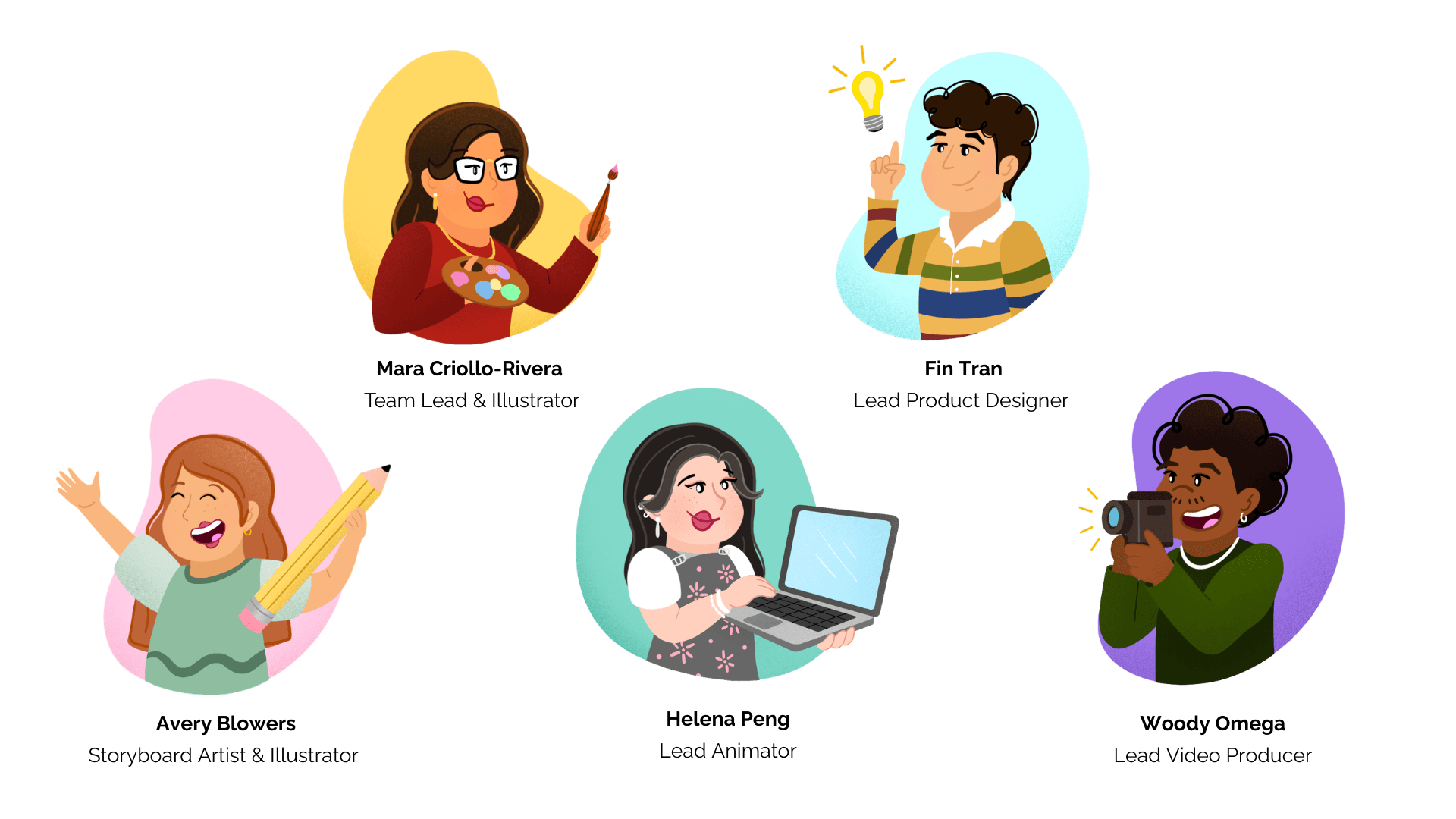
OTHER TEAM MEMBERS

Henry Padrón-Morales - Author / Owner of Hipocampo Children's Books
Juan - Software Developer
Richard - Audio Engineer
Alexandra - Game Developer
Henry - Game Developer
Adryana - Voice Actress (Clarita)
Most kids' bilingual reading resources focus on grammar and vocabulary, but overlook storytelling and cultural identity — making language learning feel like a chore rather than a connection. For many Latin American kids in the U.S., this leaves them feeling disconnected from the language and unmotivated to use it.
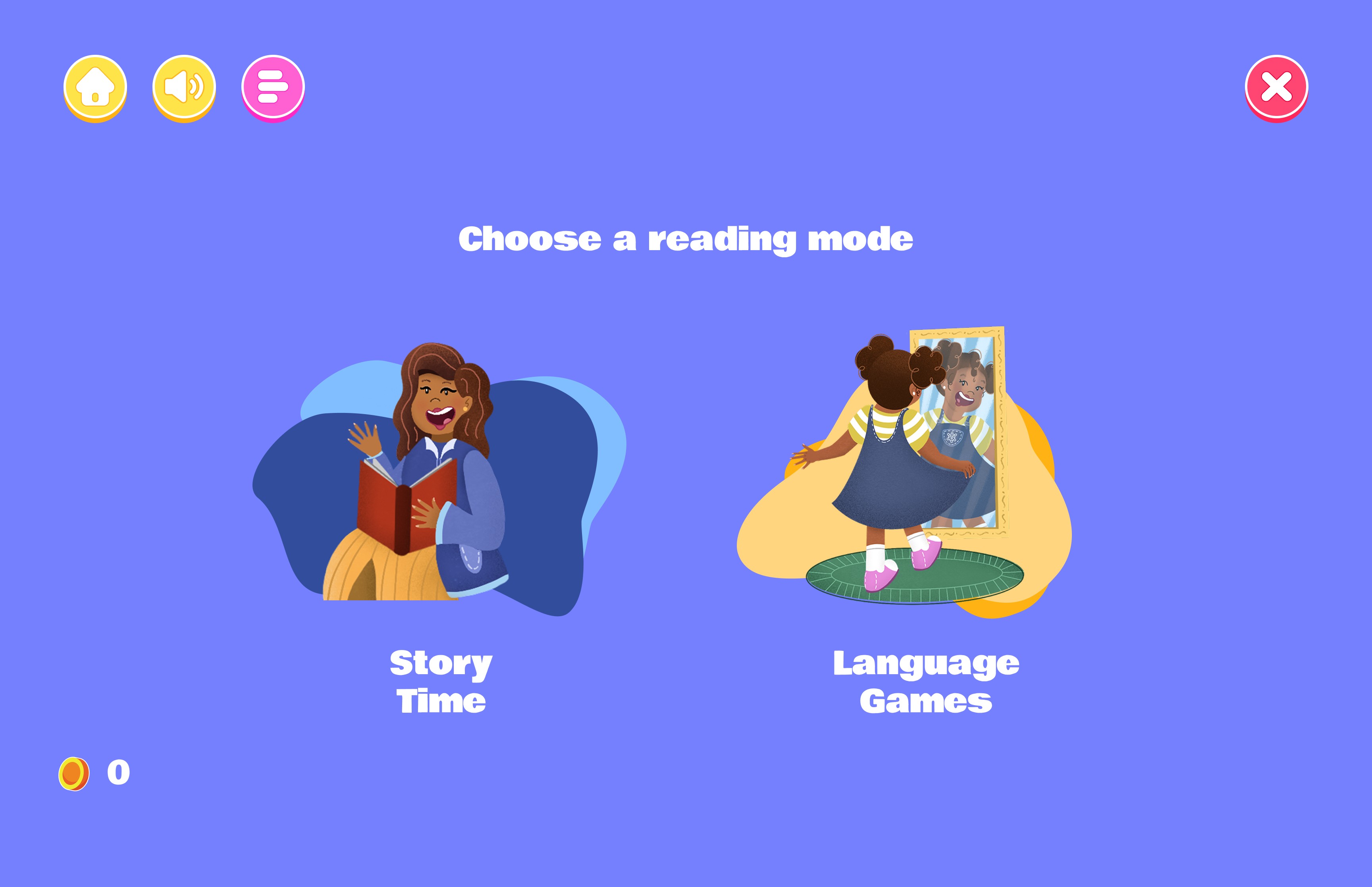
A SNEAK PEEK INTO OUR SOLUTION
Integrated Animations and Audio
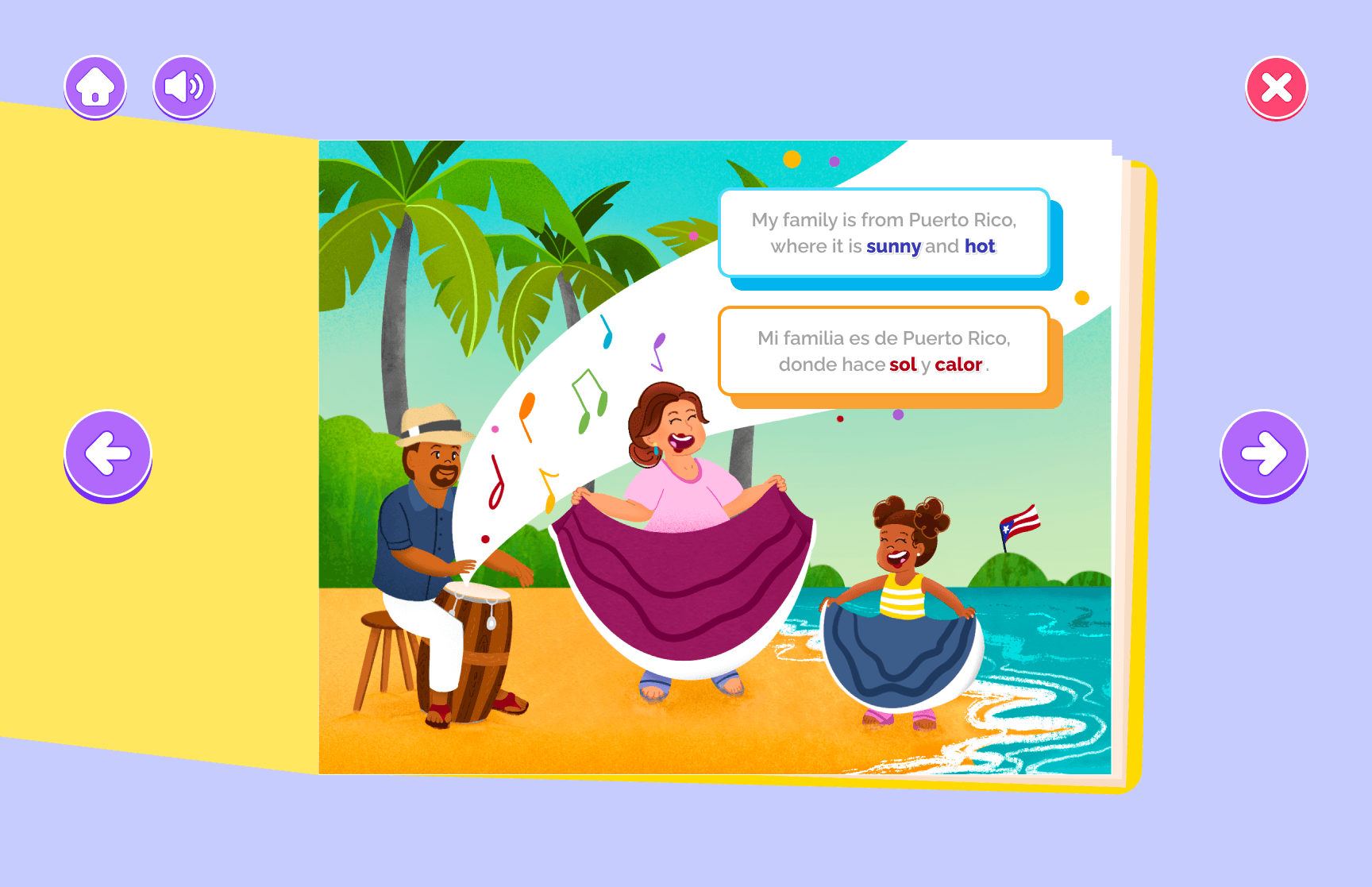
Every page includes animations kids can tap and explore, creating an interactive reading experience. This sparks curiosity, keeps attention longer, and supports deeper comprehension through visual play.
A Bilingual Glossary Page
The book provides a list of key vocabulary from the story in both English and Spanish, complete with audio pronunciation and simple definitions. It’s a quick-access tool kids can tap anytime to review, listen, and reinforce what they’ve learned.
Bilingual Comprehension Quizzes
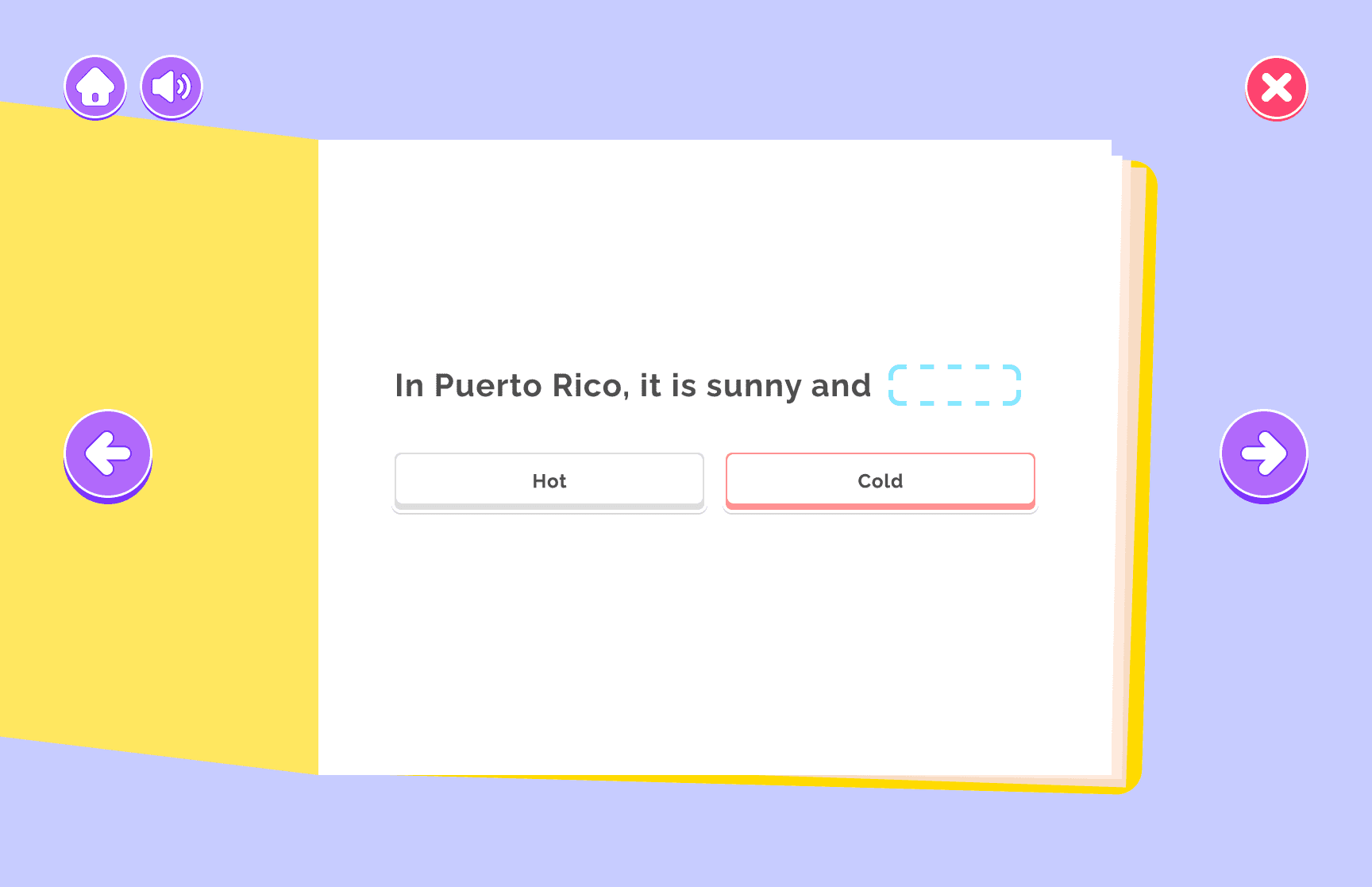
Short quizzes are embedded throughout the story to reinforce understanding of vocabulary and plot. Available in both languages, they encourage reflection, language switching, and cultural connection.
RESEARCH
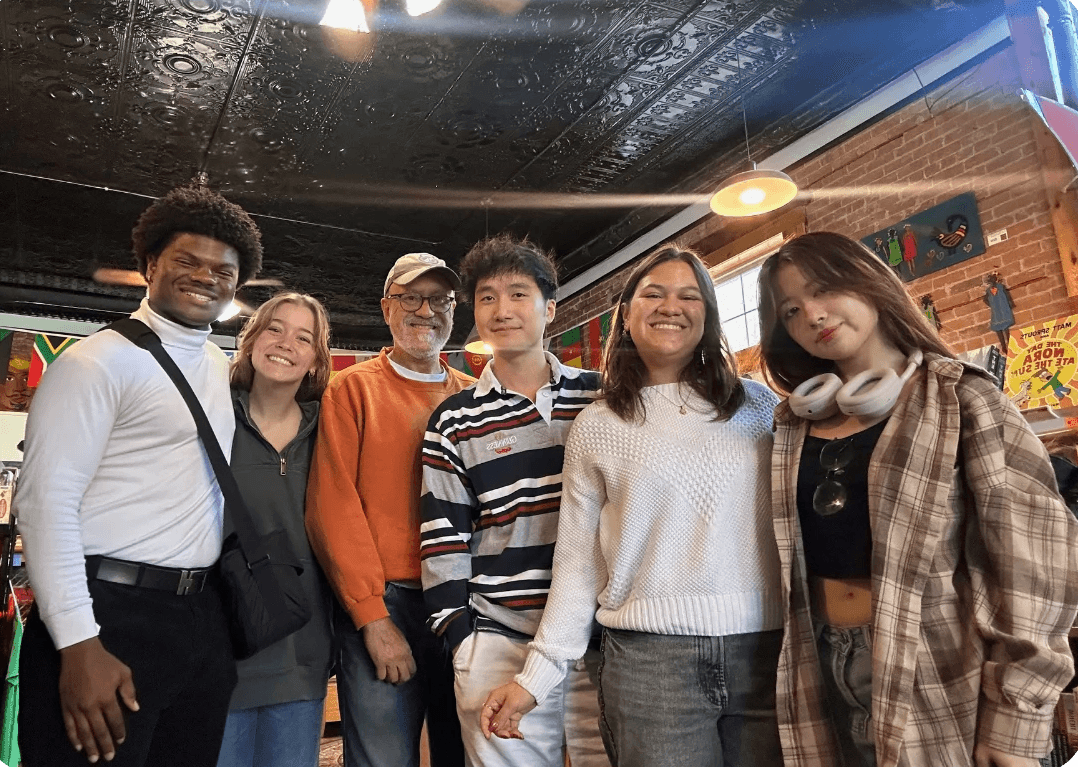
Our team conducted ten interviews with Spanish professors, elementary school teachers, and parents of bilingual children.
The goal is to better understand how storybooks are used at home and in the classroom. Through these conversations, we gained valuable insights into what makes a storybook engaging, educational, and effective for young bilingual learners.

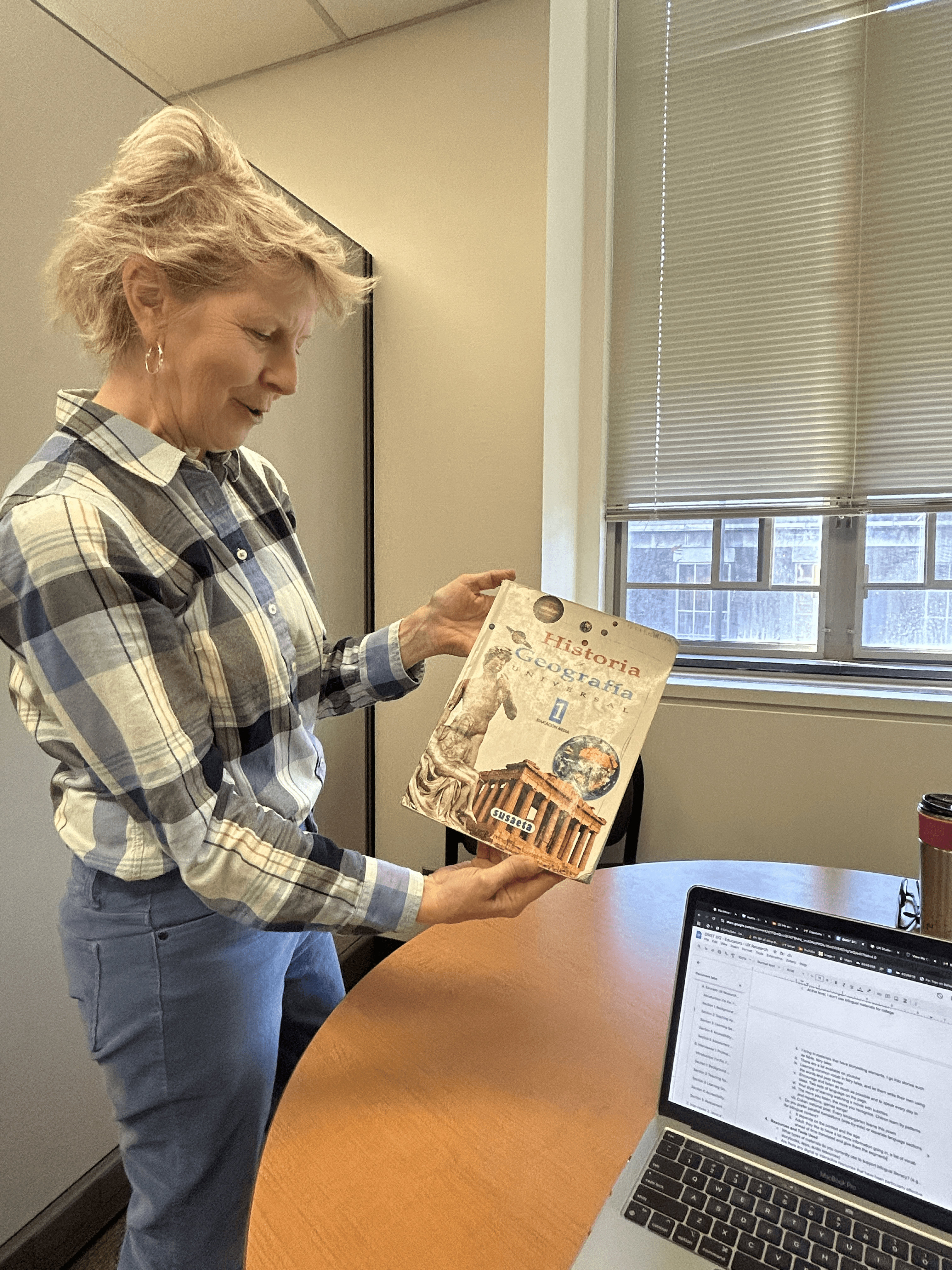
From extensive qualitative and desk research, we realized the key to make a story both educational and joyful for kids:
The Importance of Visuals and Interactivity
Cultural Relevance and Family Connection
Bite-Sized Content
Audio Repetition
Games and Quizzes
Comprehension Questions
COMPETITIVE ANALYSIS
However, while major platforms offer educational tools, they treat storytelling and culture as an afterthought.
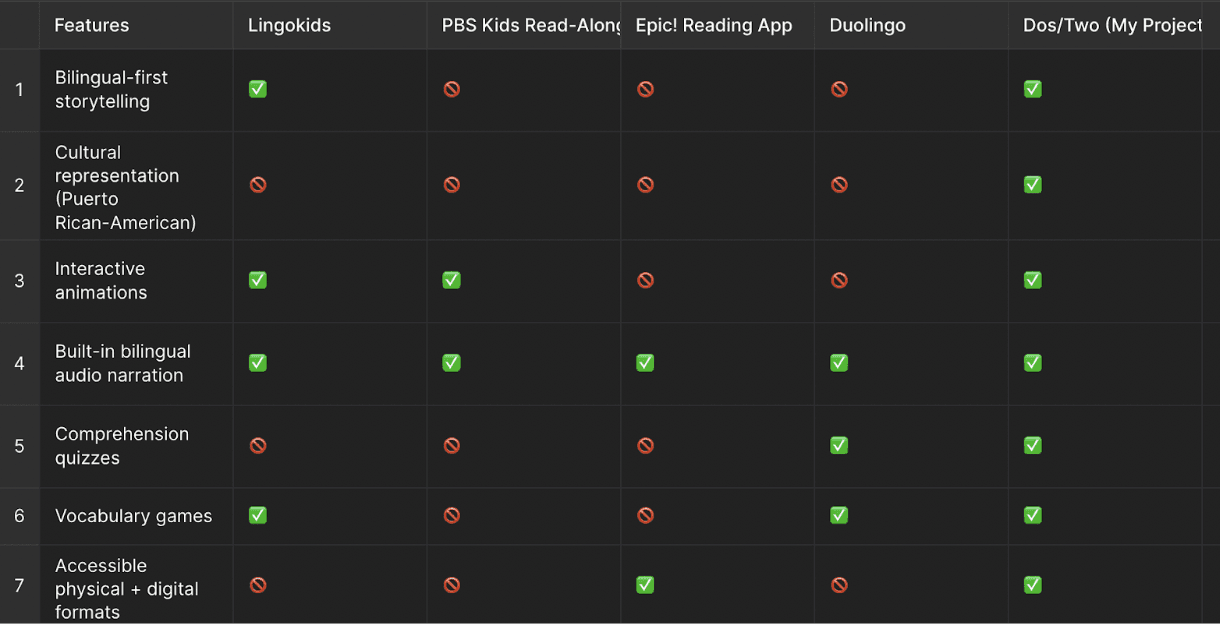
They focus on language mechanics without celebrating the identities behind the words.
LOW-FIDELITY PROTOTYPING
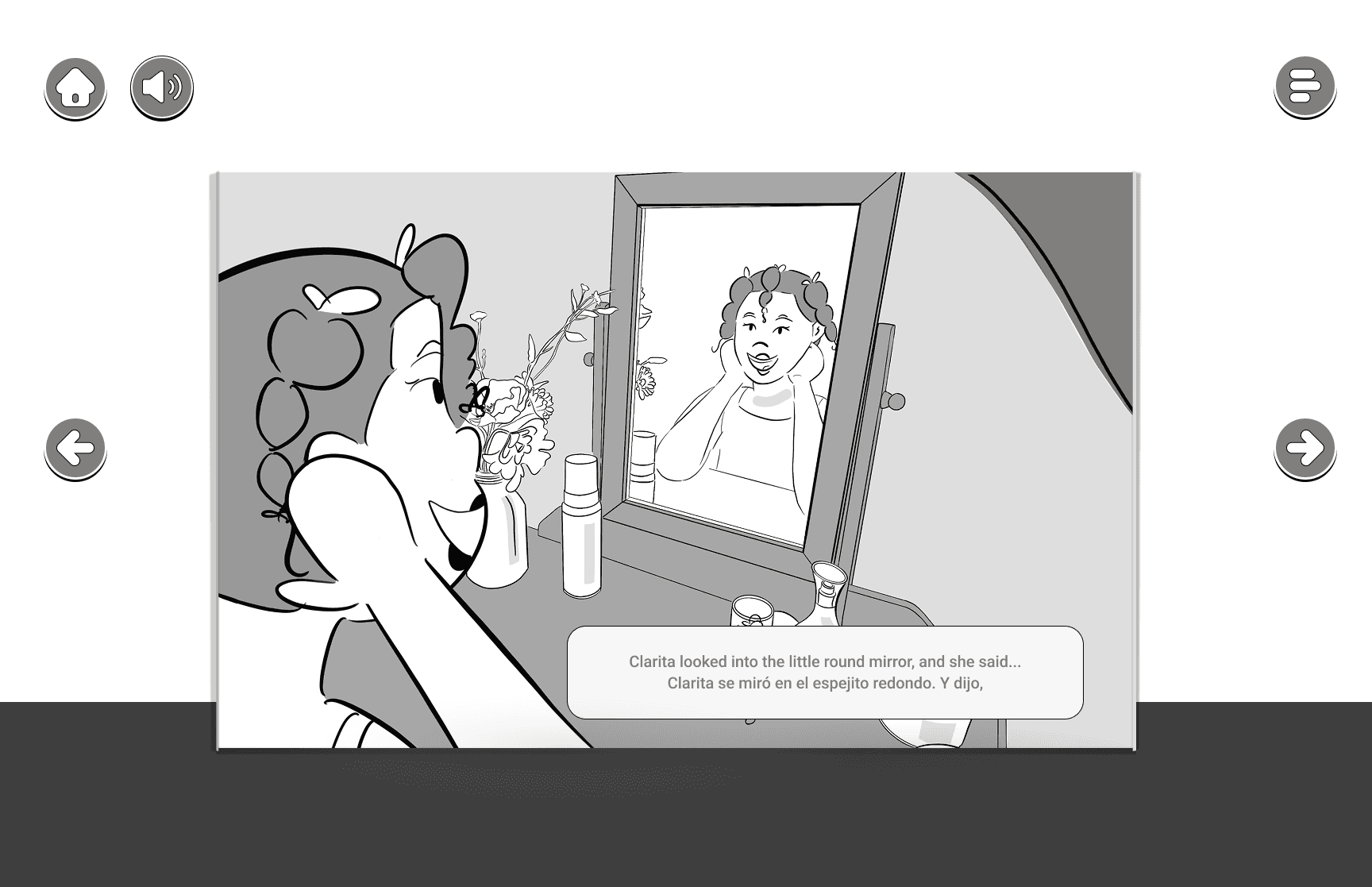
Our first concept focused on building a simple, interactive reading experience to pitch to our professors and stakeholders.
HIGH-FIDELITY PROTOTYPING
In order for the book to be interactive, we had to bring it to life.
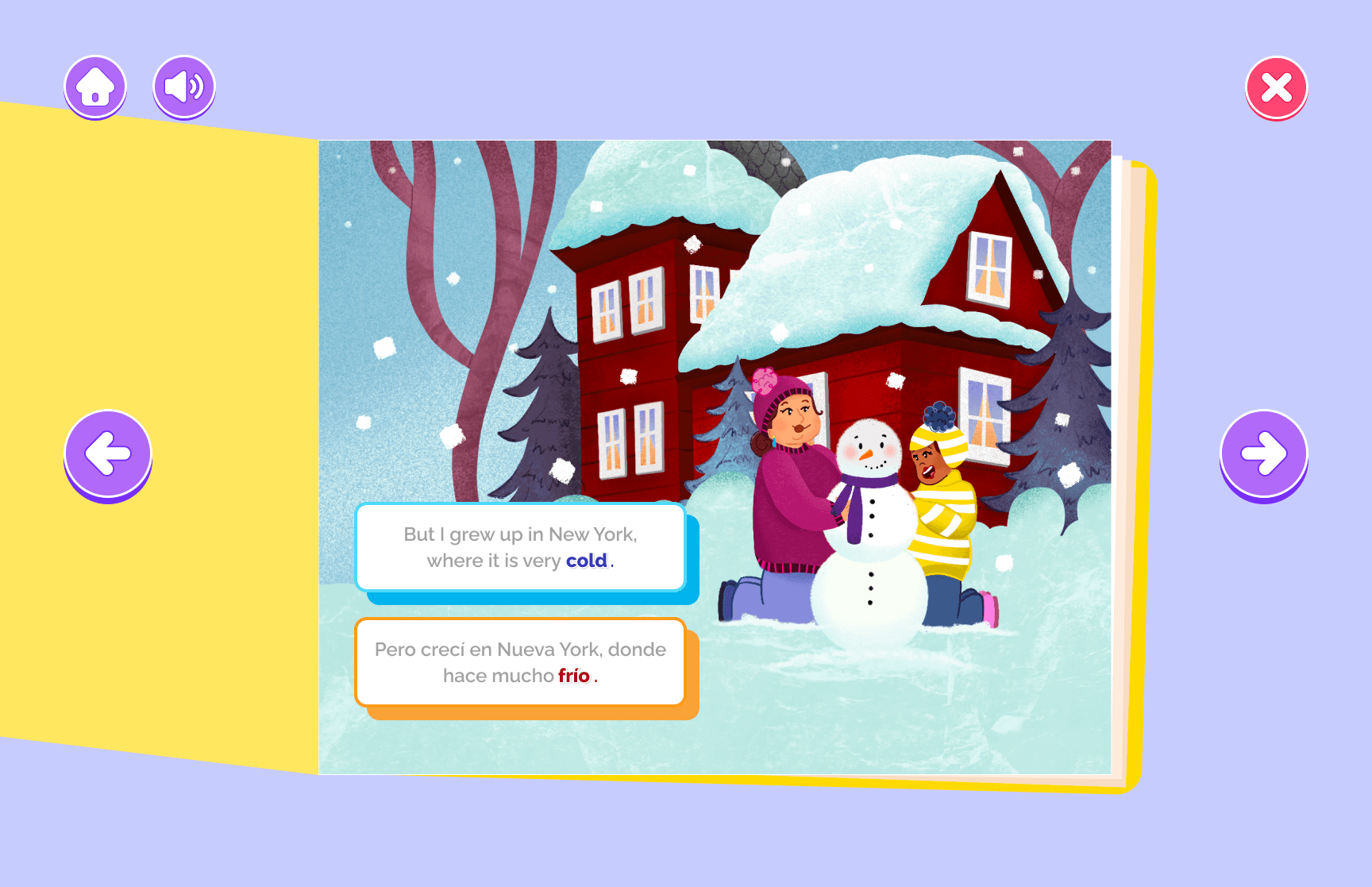
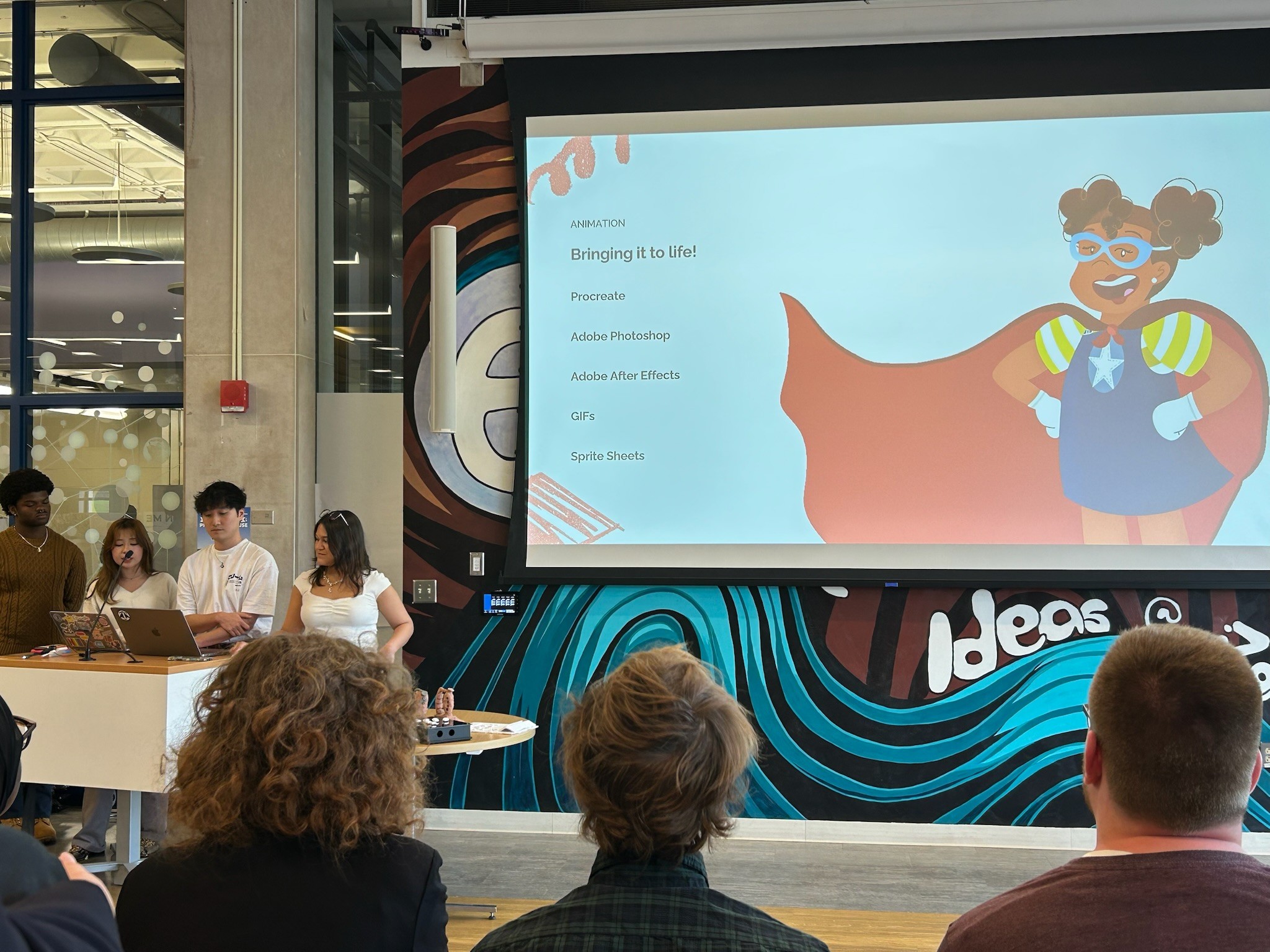
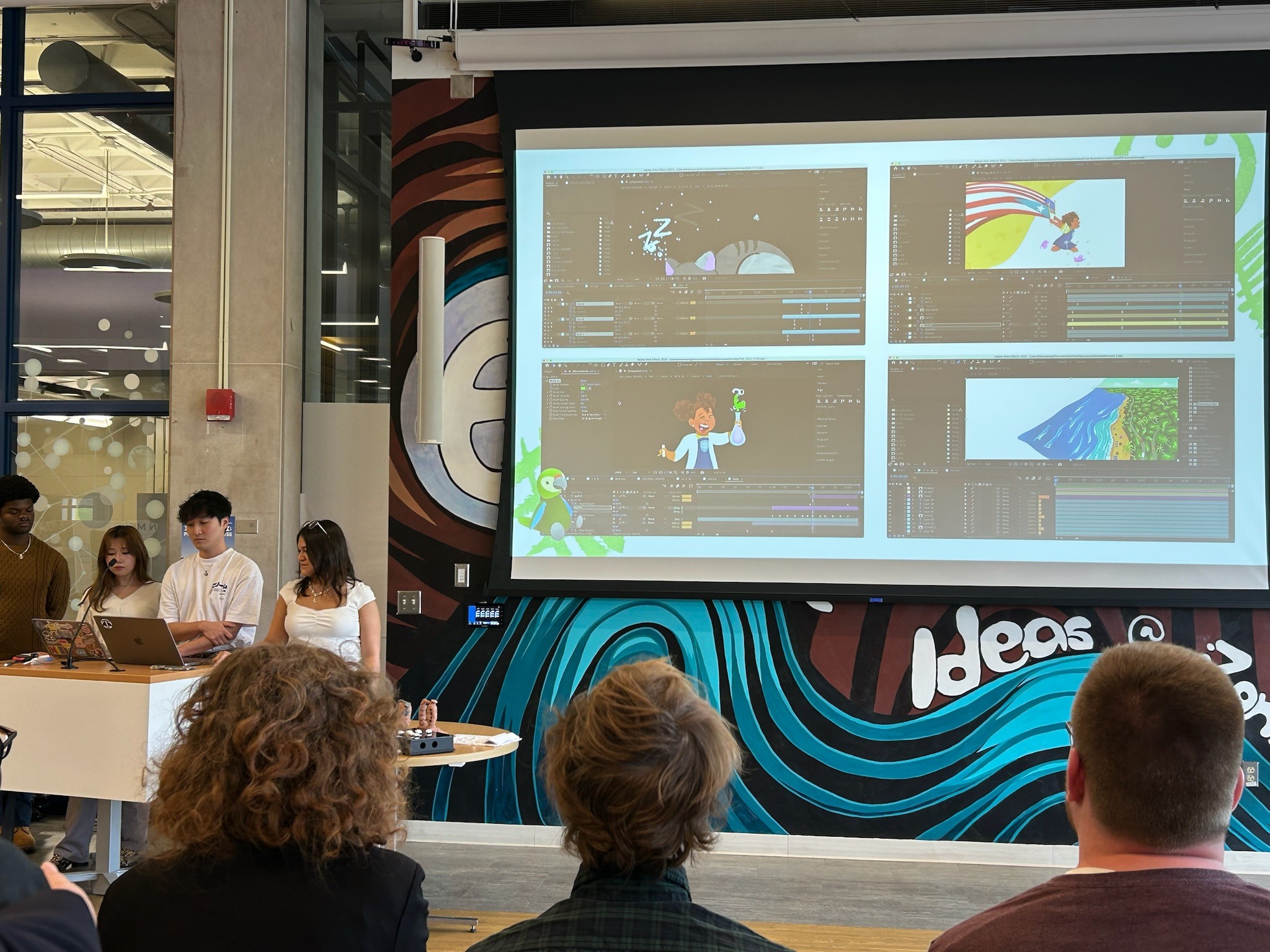
From static artwork in Procreate, I brought the illustrations over to Adobe Photoshop and After Effects where I was then able to animate the story.


Working with hundreds of layers per illustration, I created short looping animations in all the intuitive places a young child might click around on.
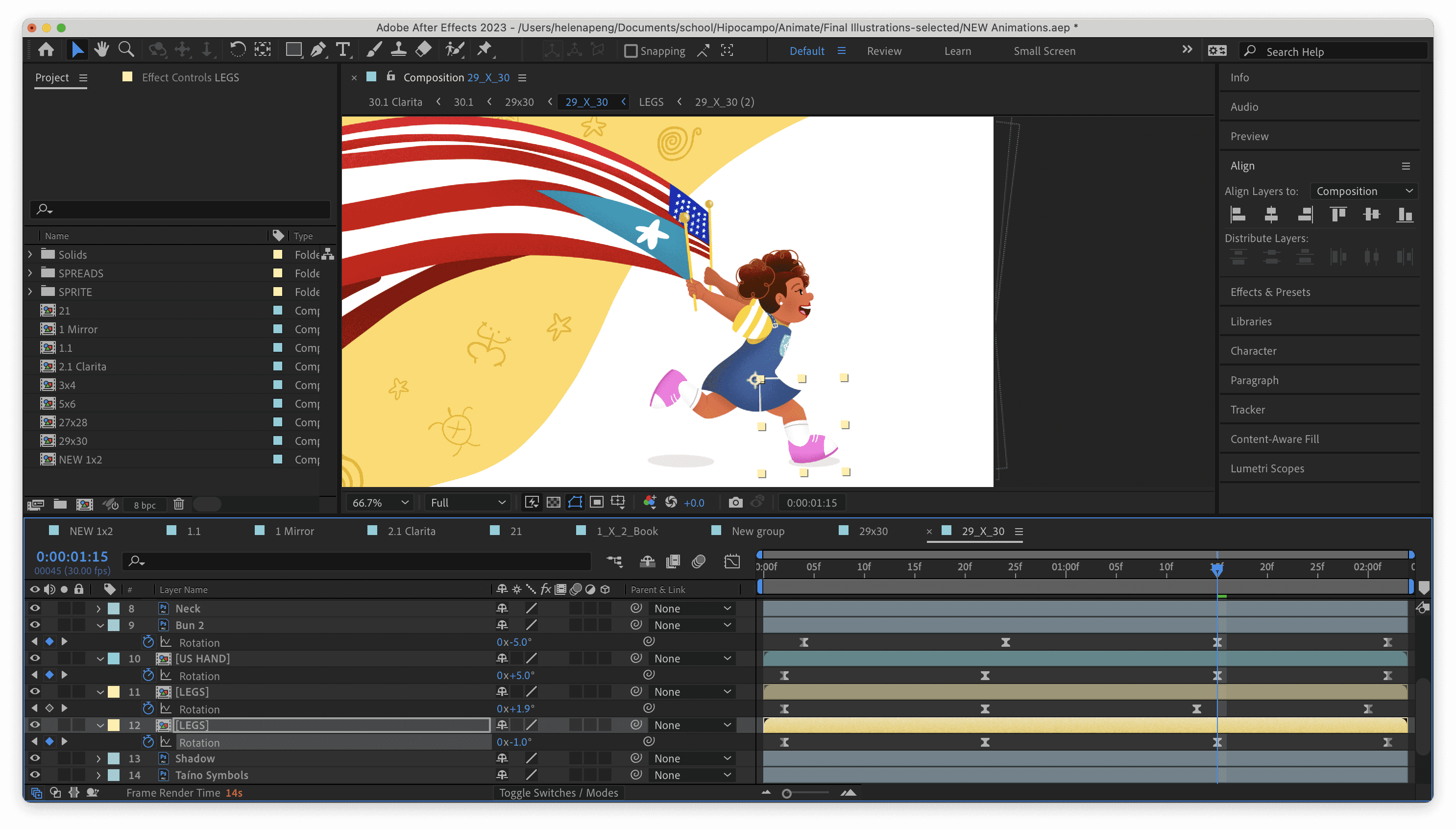
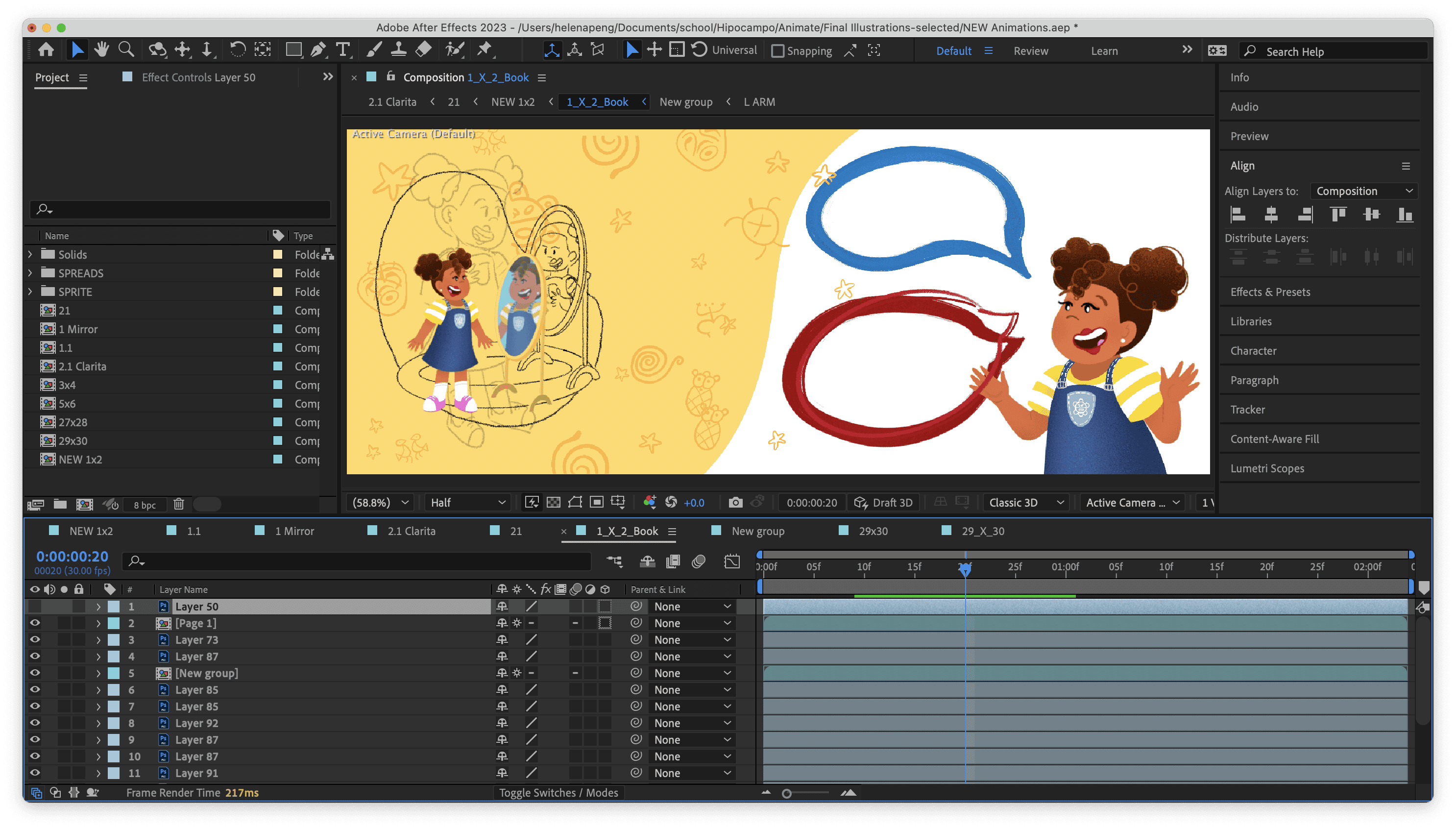
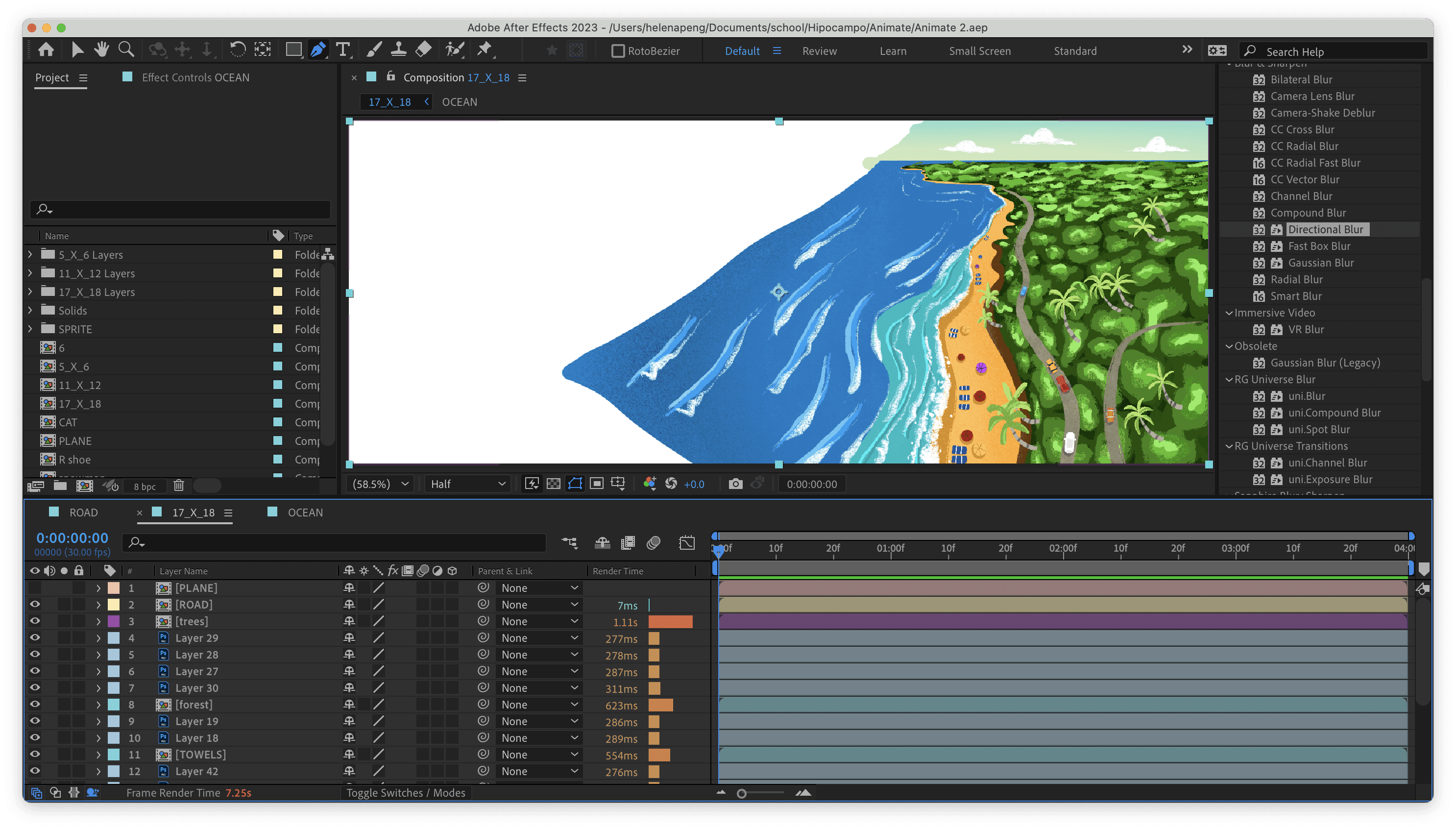
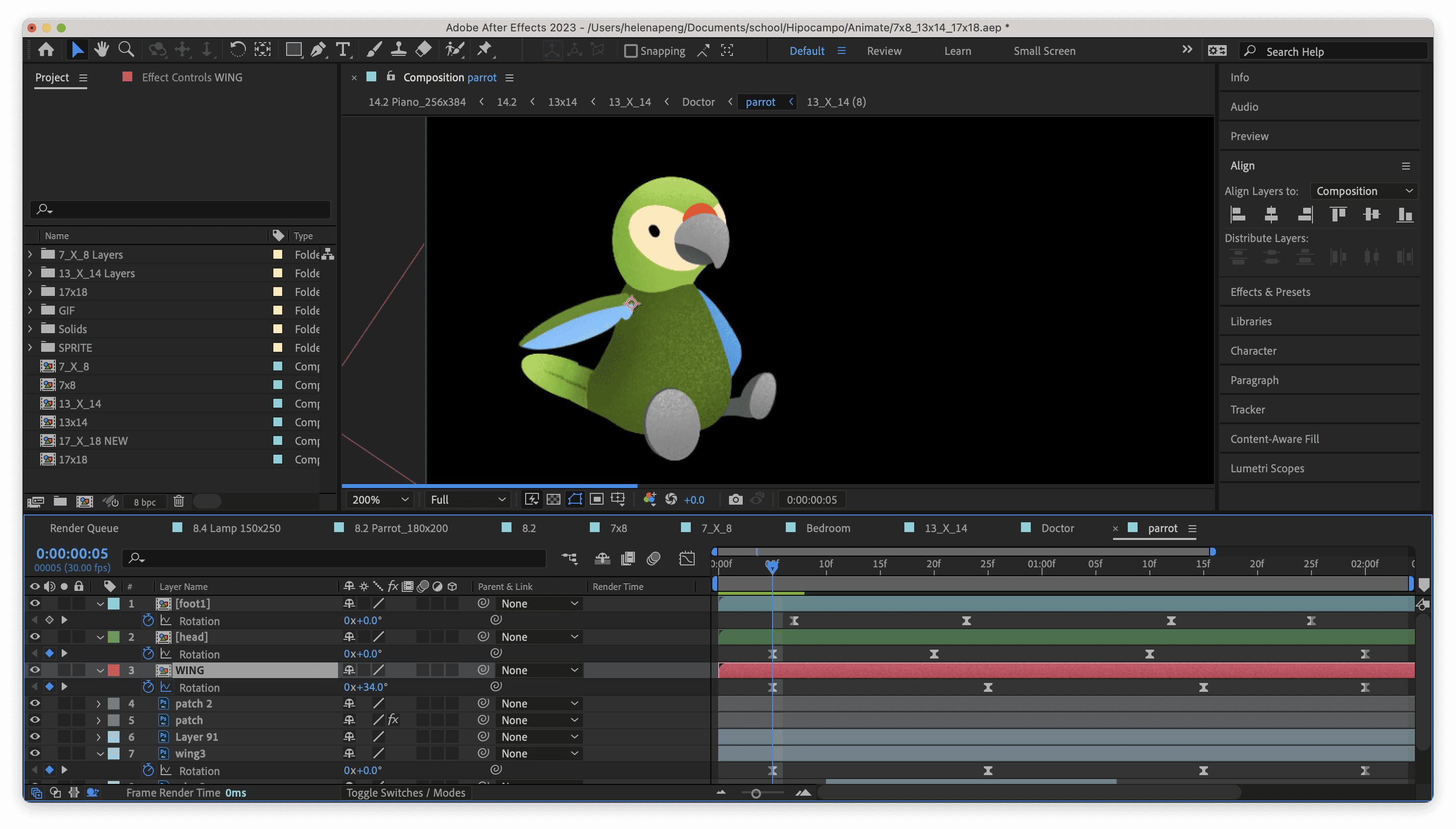
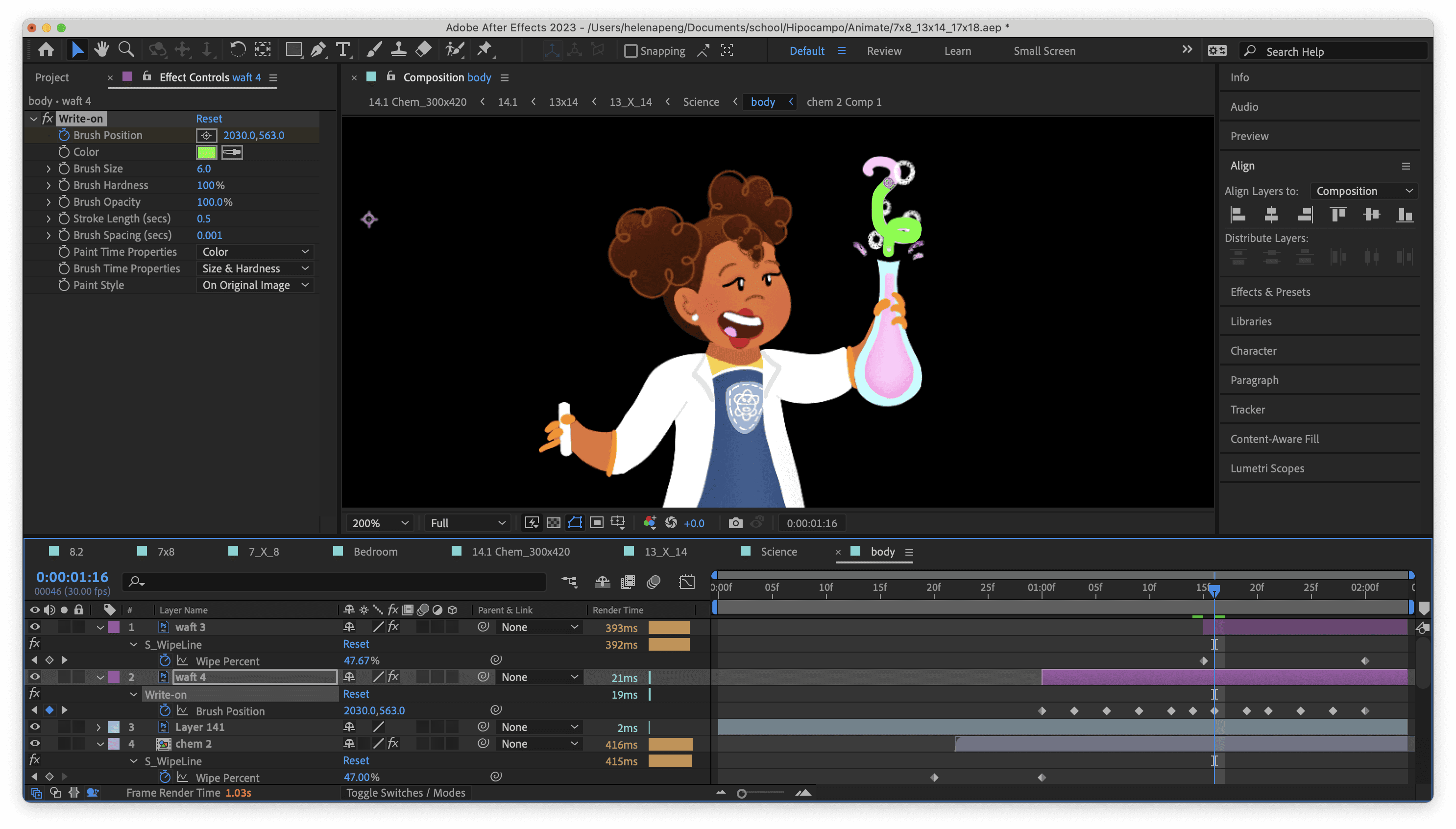
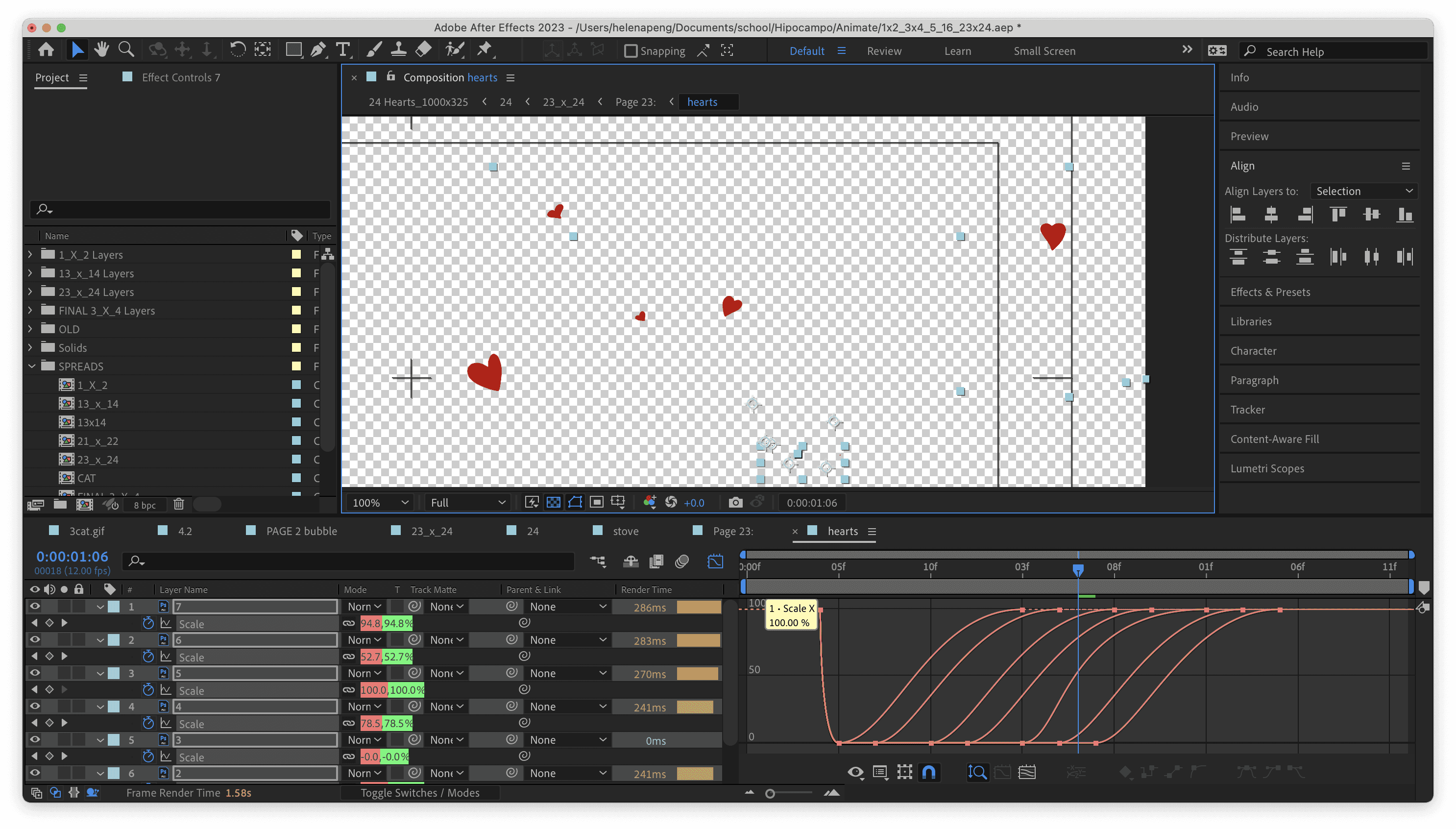
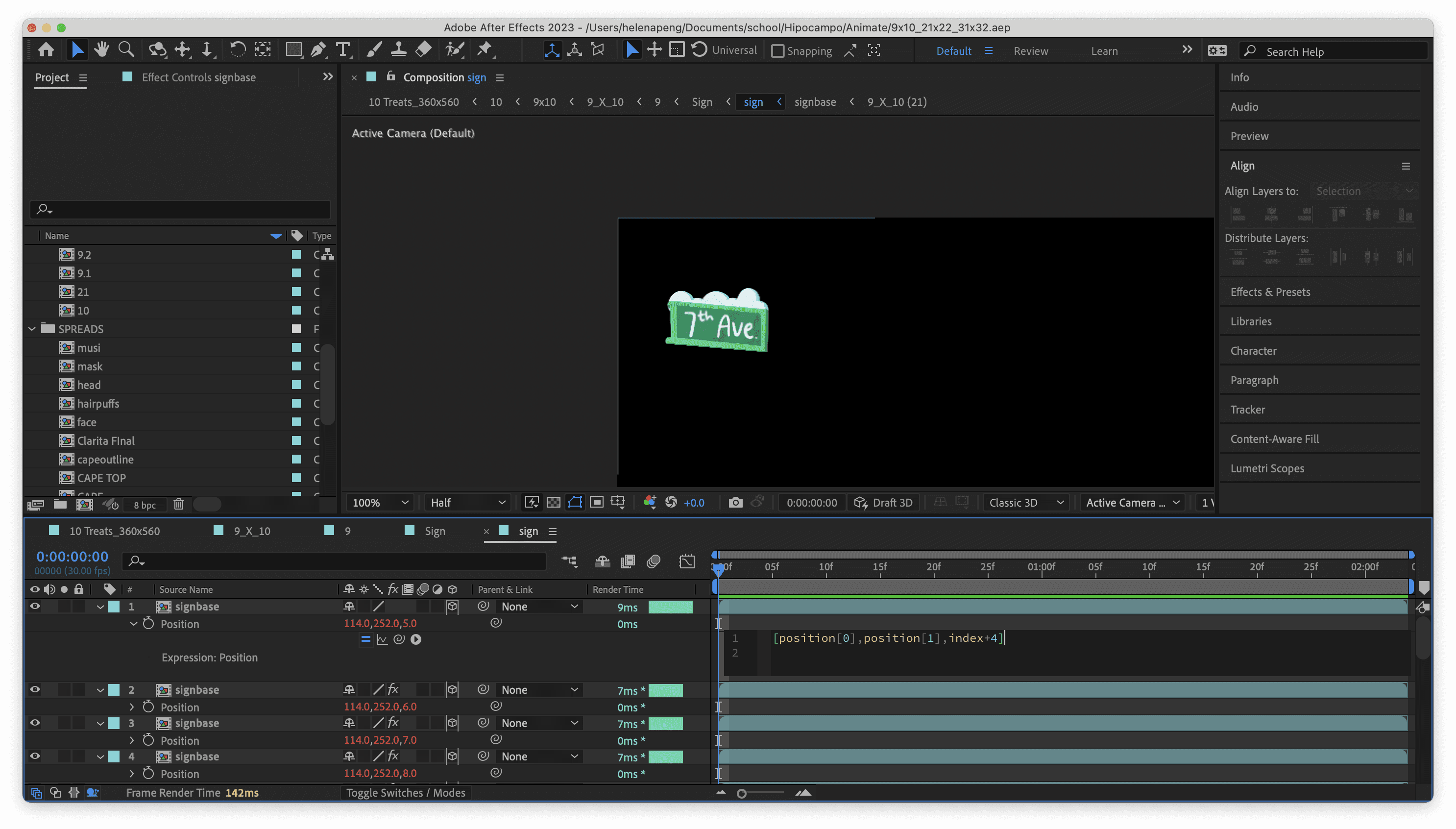
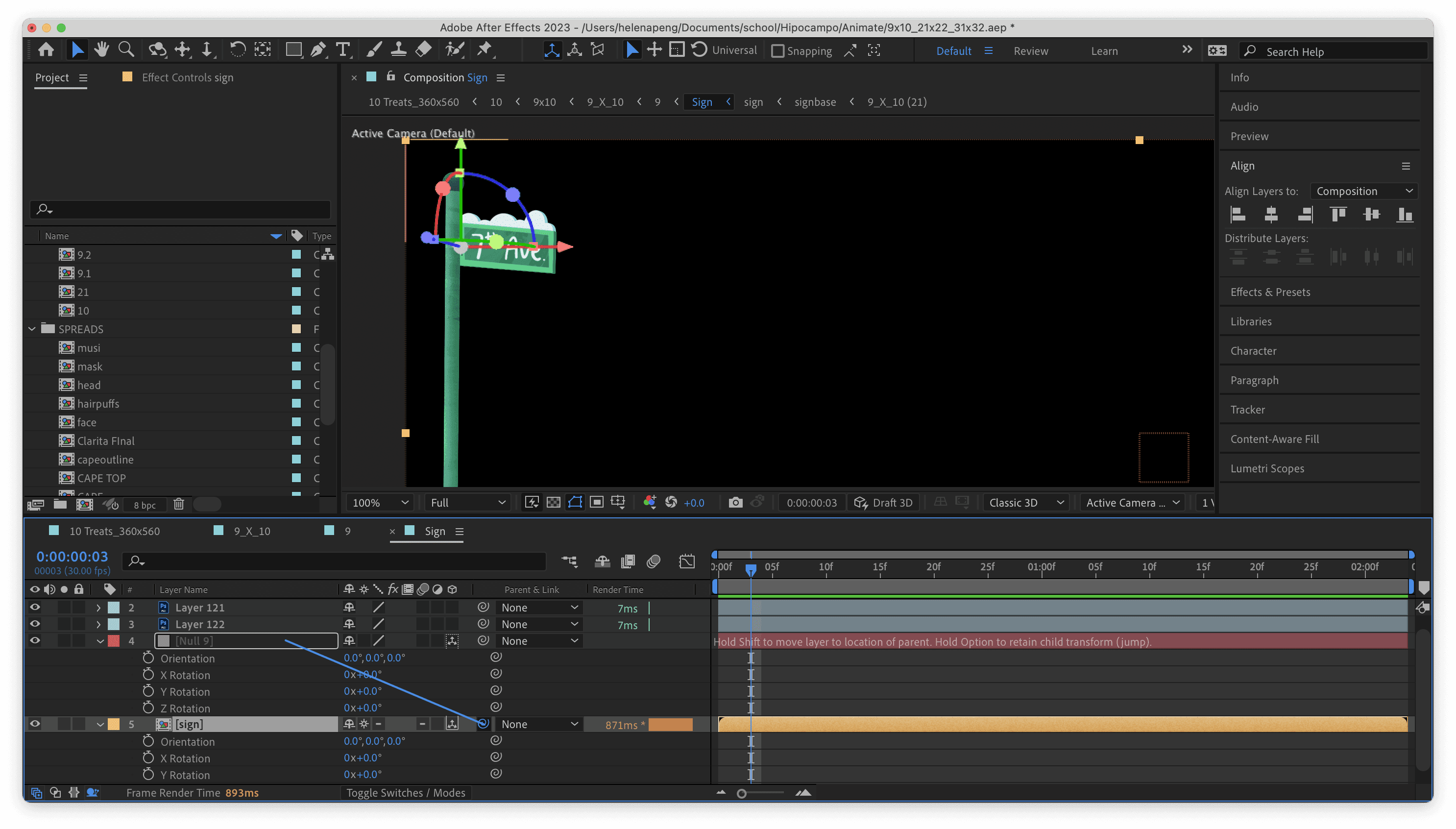
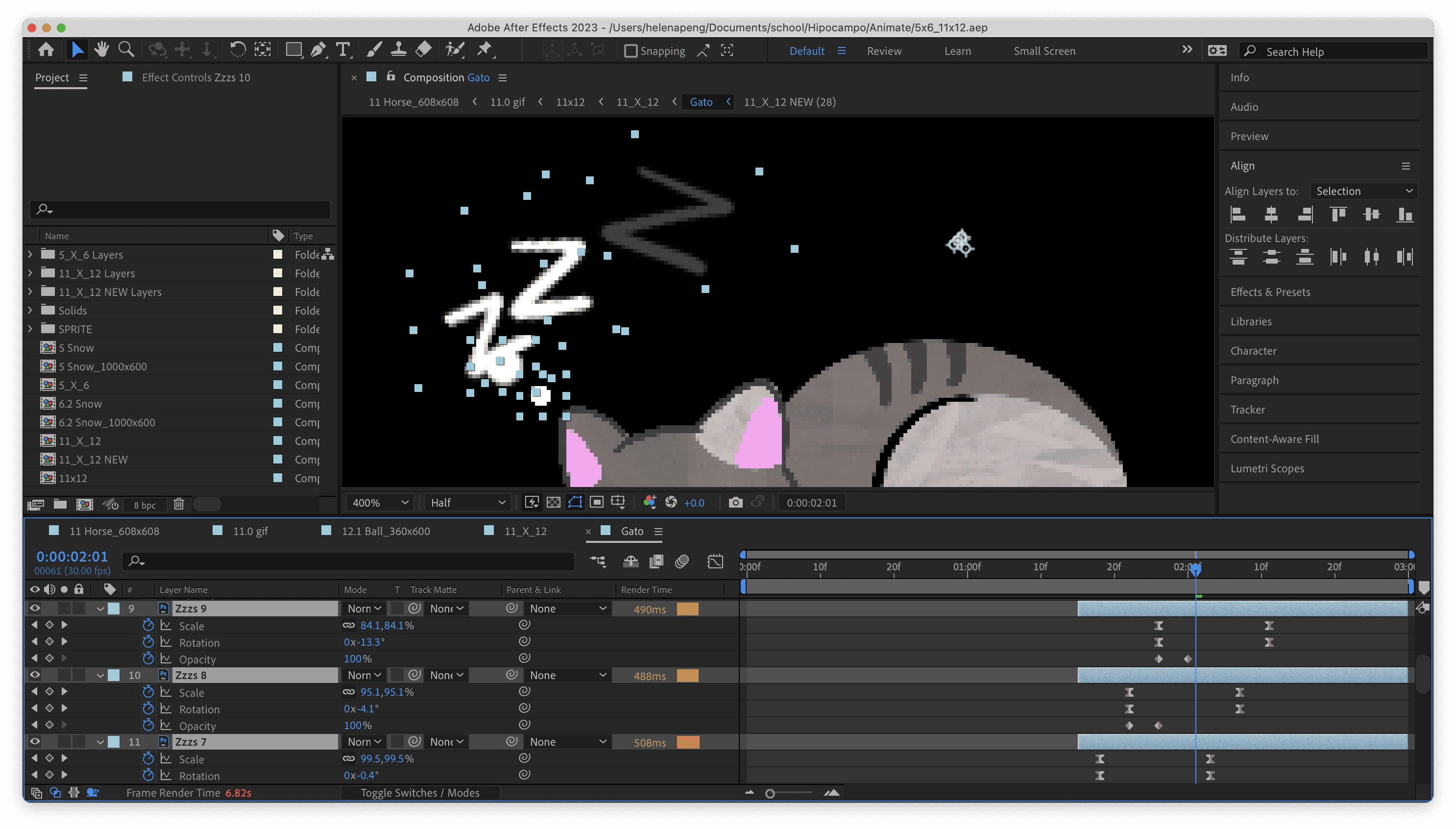
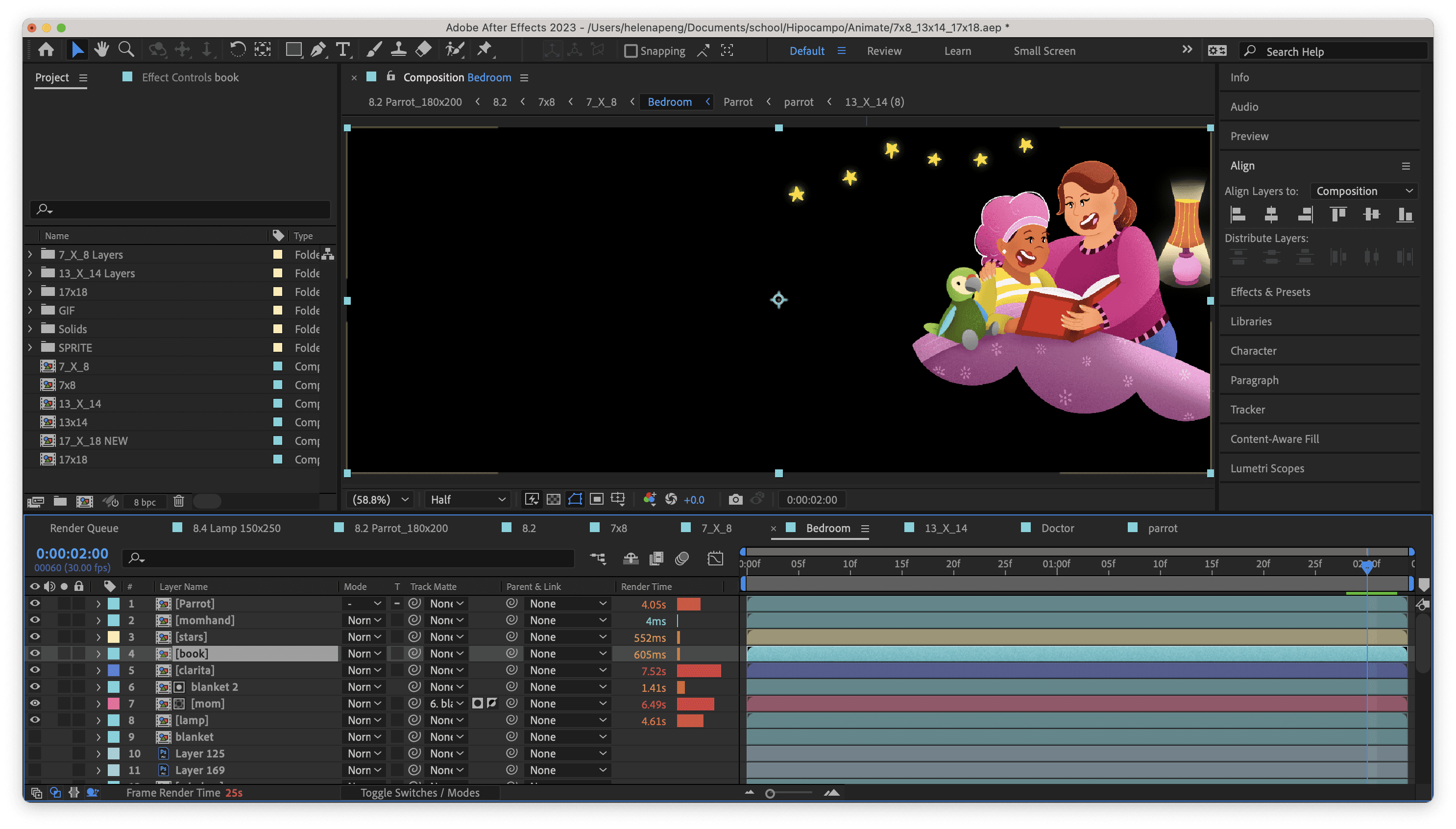
Over the course of the project, I went through multiple revision rounds to land on a consistent, smooth style. I prioritized a smooth, bouncy style based on the target audience's age.

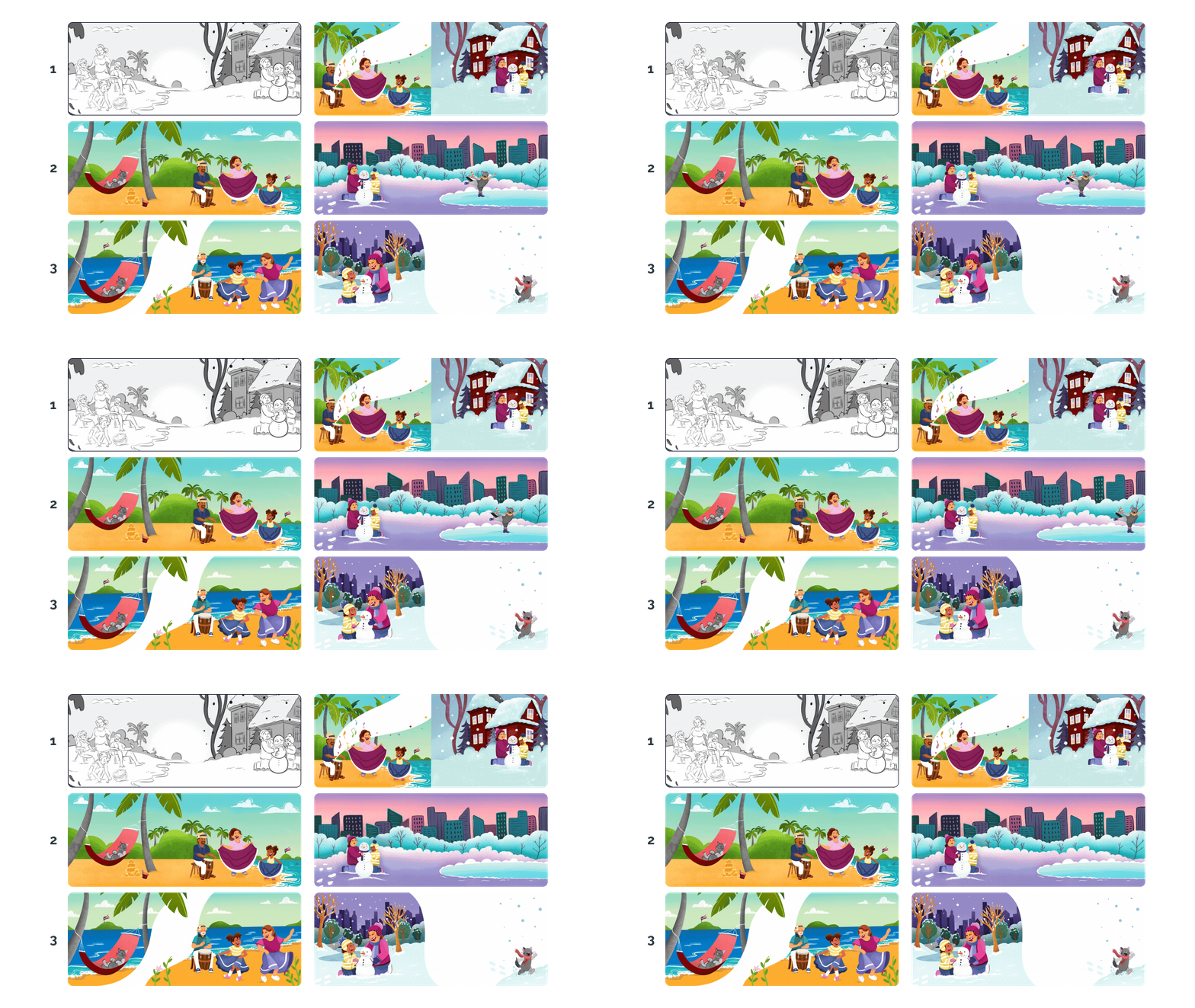

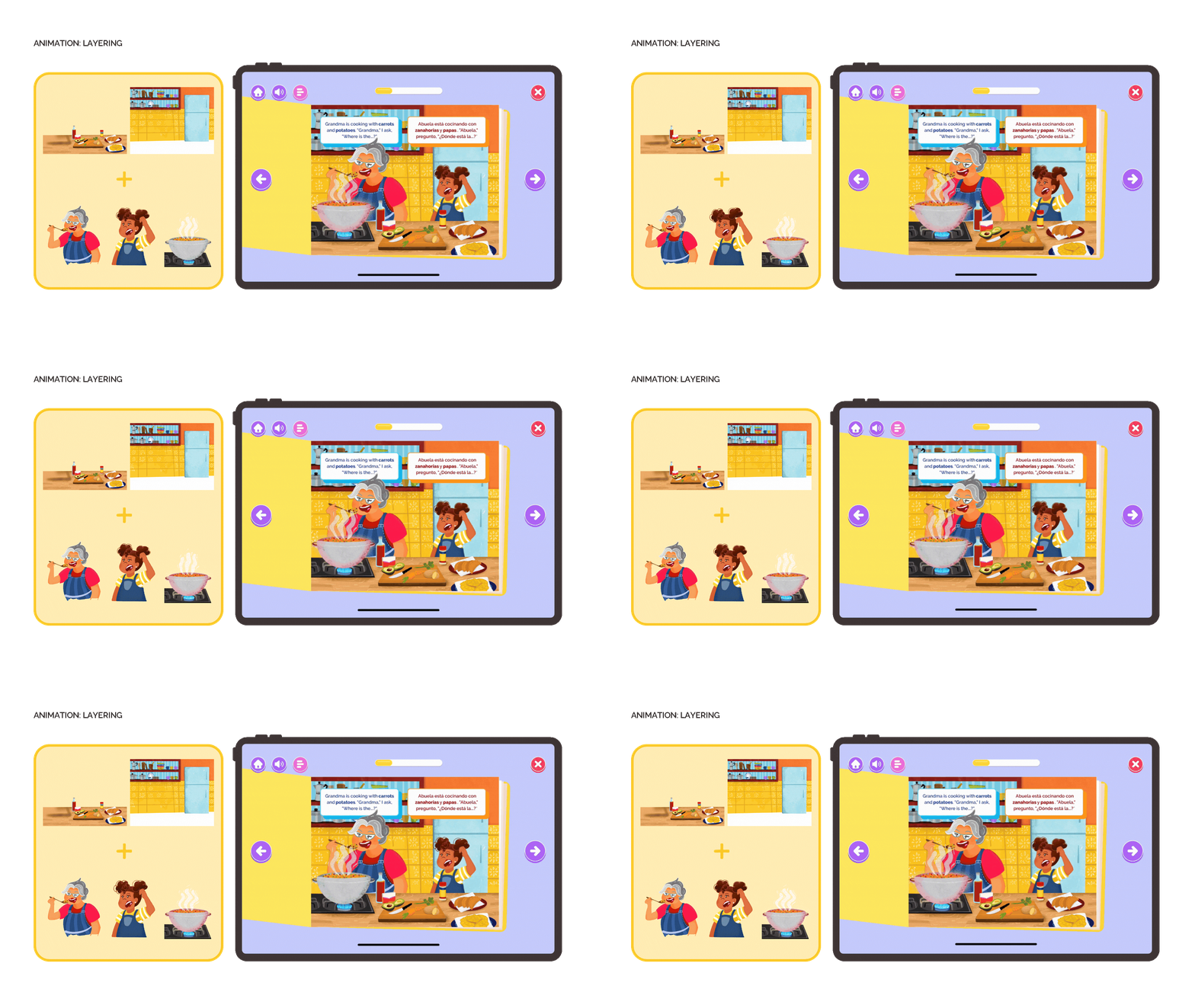
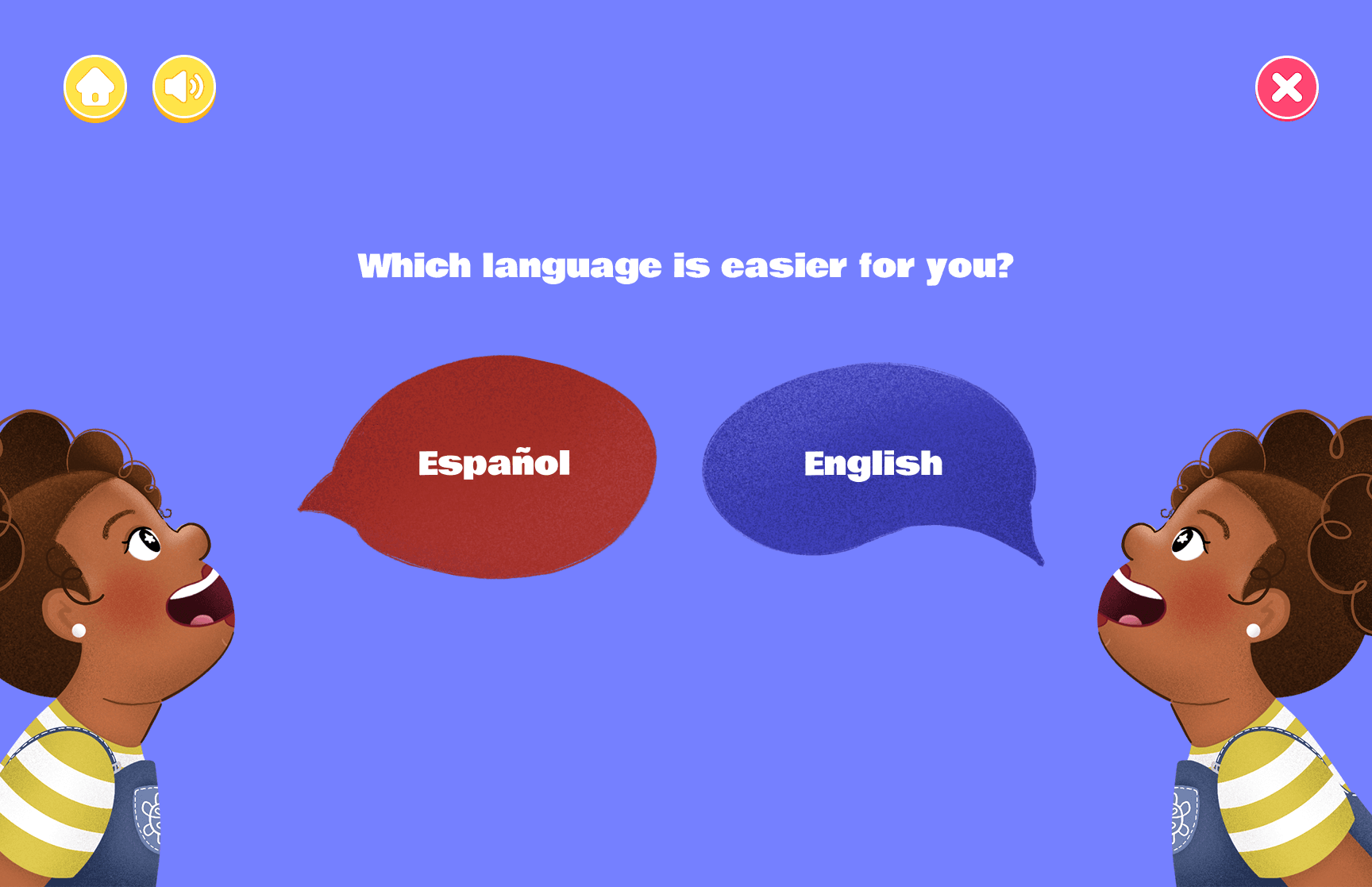
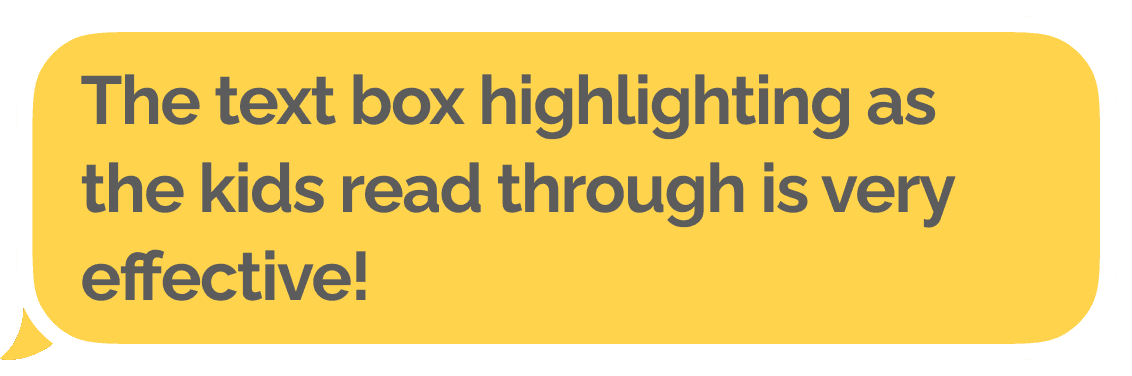
We then placed finished animations inside a virtual book frame to mimic a real reading experience for kindergarteners — full-screen felt too much like watching a movie. To support engagement, we also included comprehension questions after key pages.
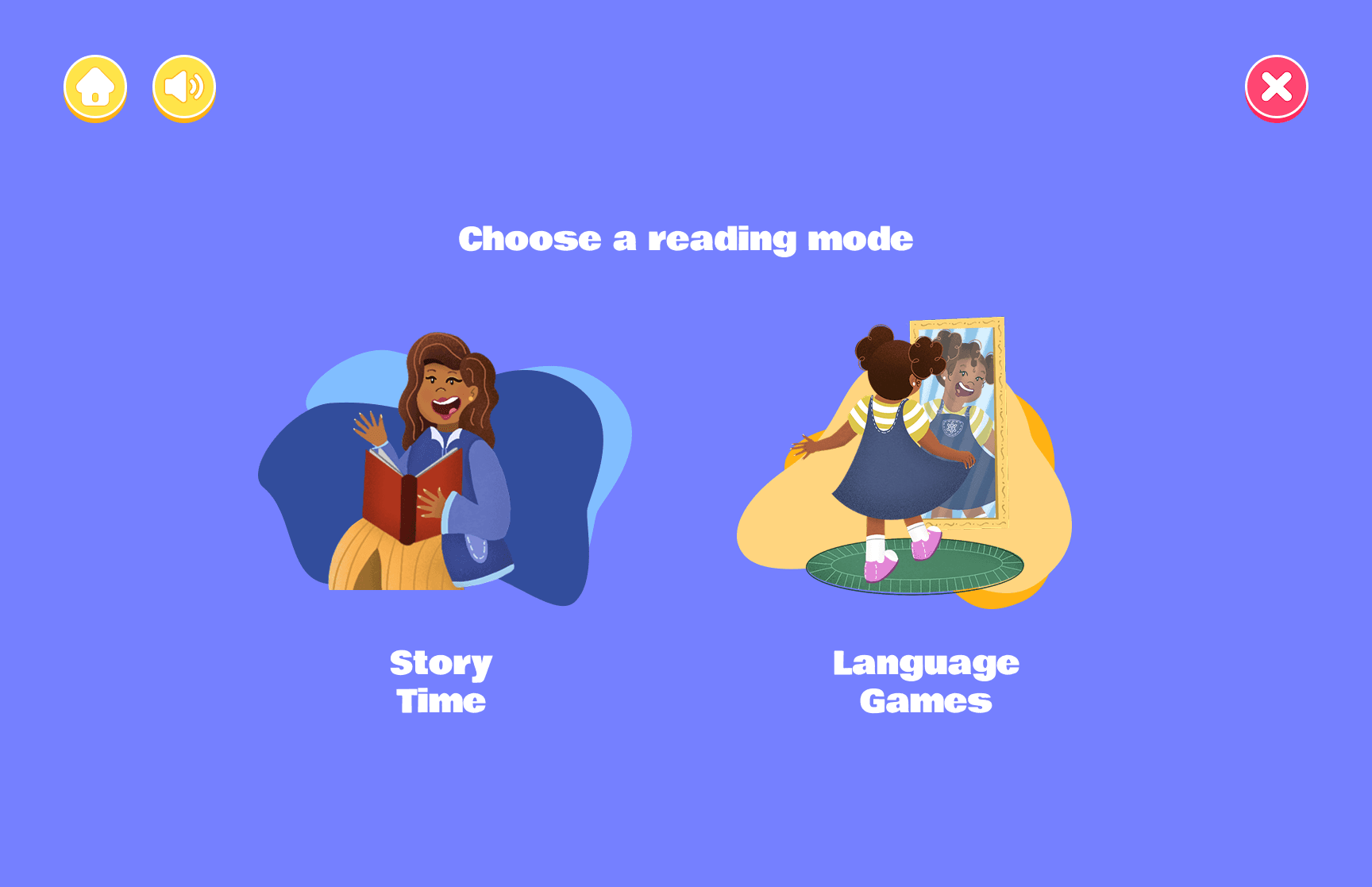

SEE THE FINAL ANIMATIONS
The Game
After reading the story, kids often struggle to retain new vocabulary (especially in a second language) when there’s no engaging way to reinforce it. Traditional
review methods can feel
repetitive, passive, or disconnected from the story.
THE SOLUTION
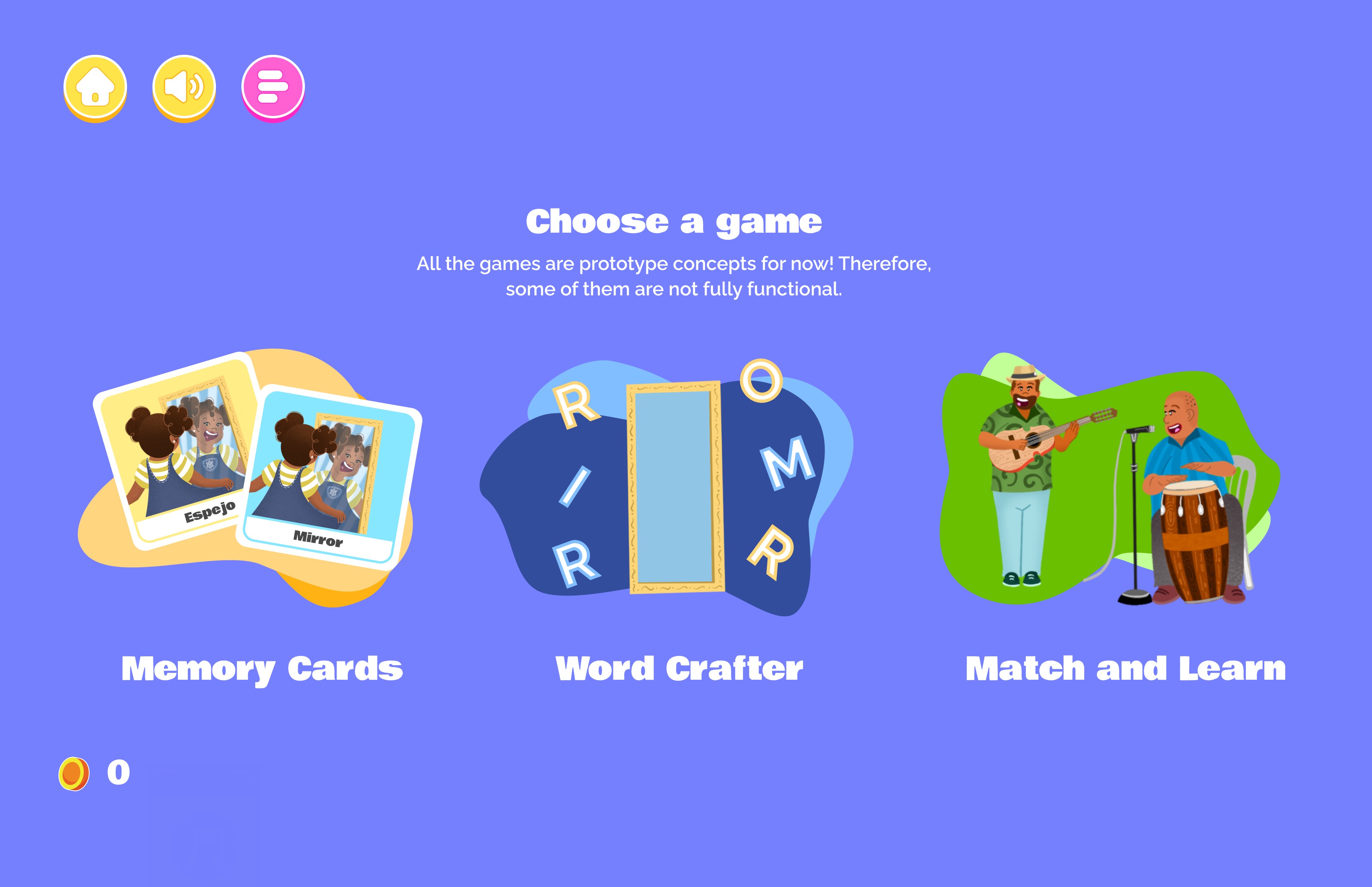
We designed three interactive games that turn vocabulary practice into play.
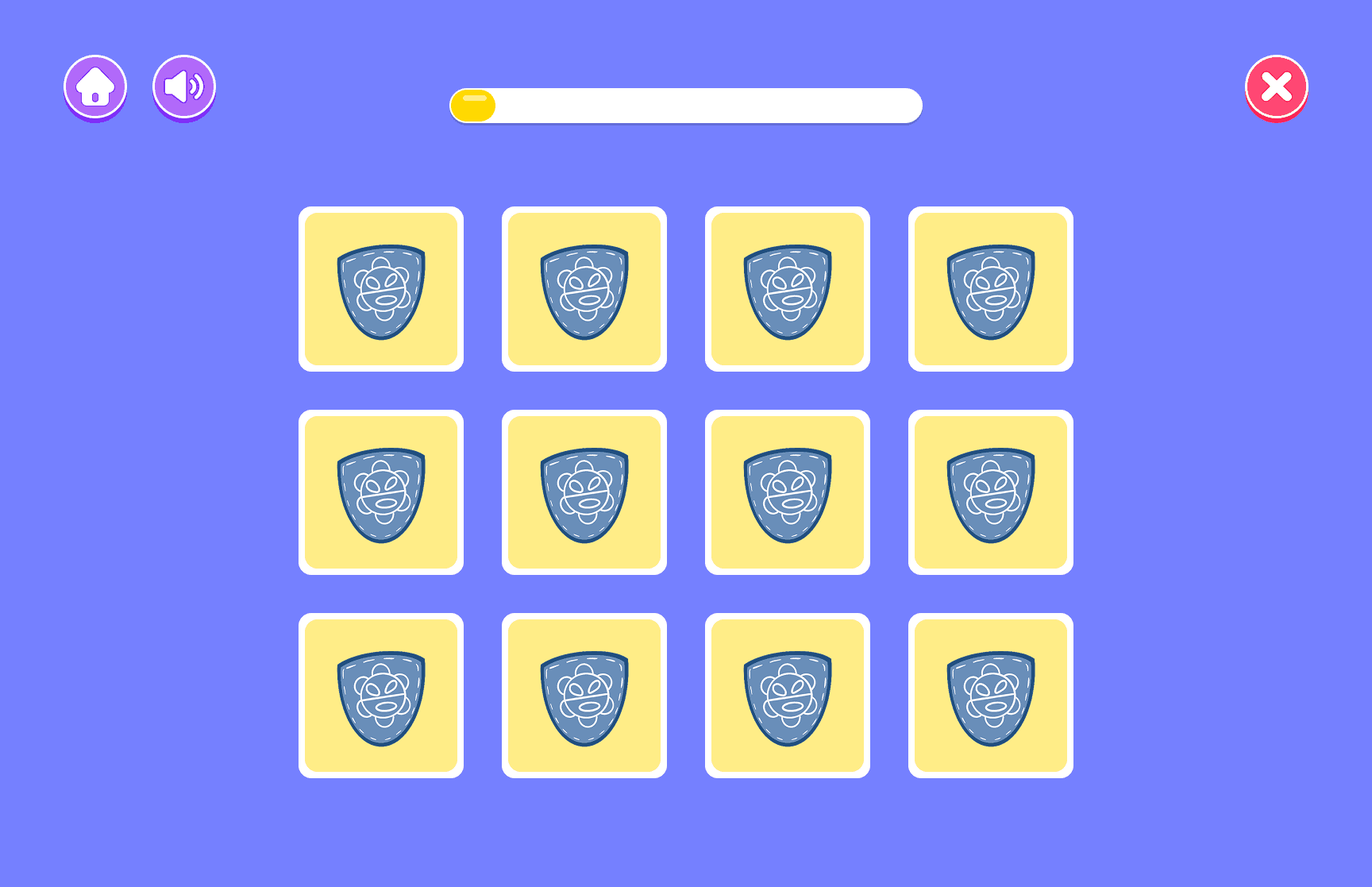
Game 1: Memory Cards
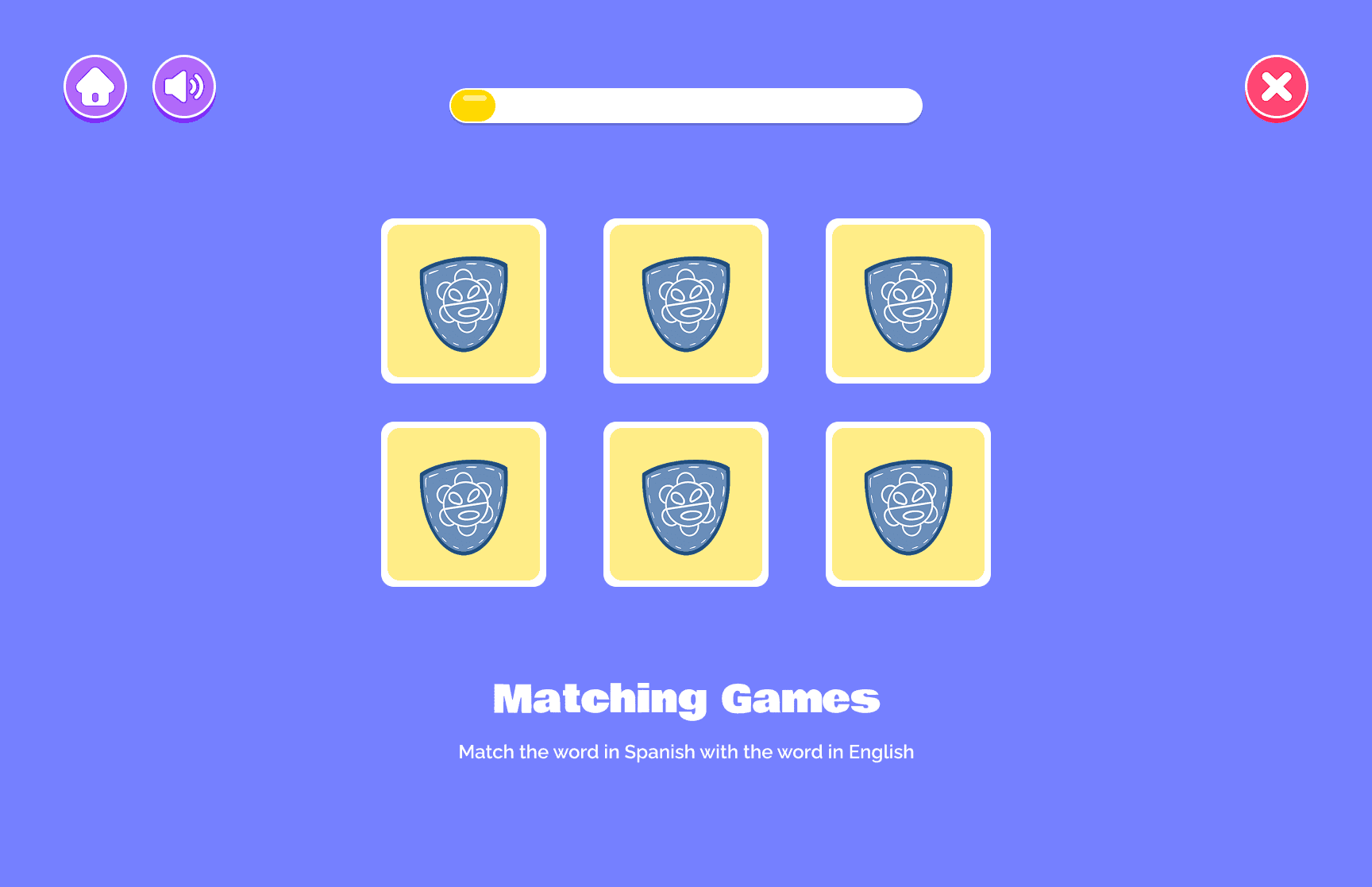
Match English and Spanish word pairs to strengthen vocabulary and language recall.
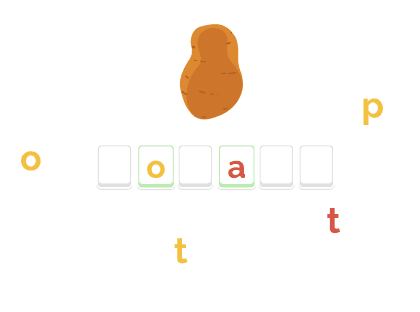
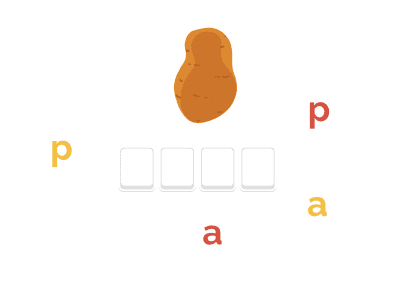
Game 2: Word Crafter
Build words from story-related letters to reinforce spelling and context in both languages.
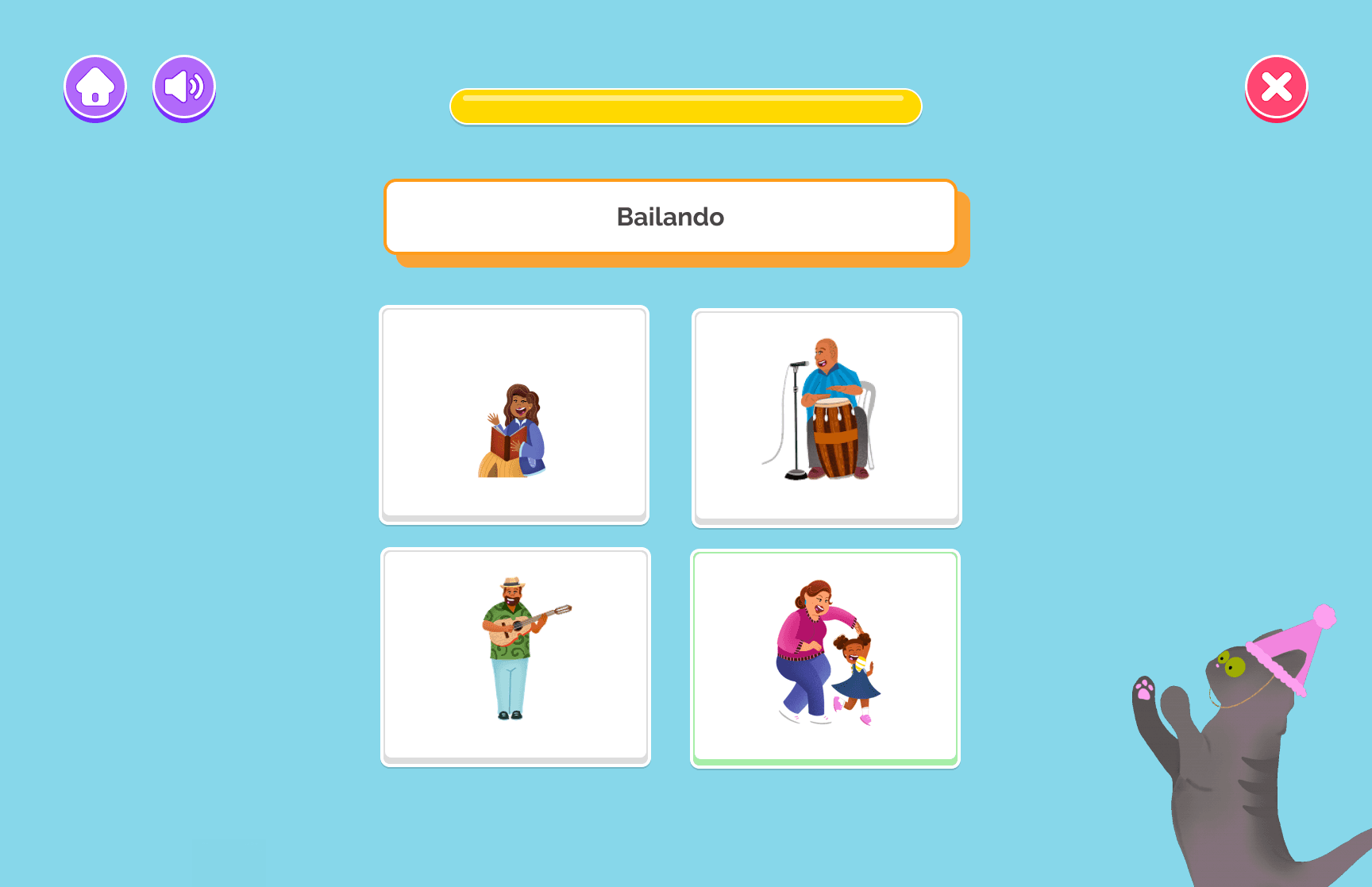
Game 3: Match and Learn
Connect words to images from the story to boost comprehension and visual recognition.
RESEARCH
Fin and I began by researching existing language games for children, looking at both physical formats like flashcards and board games, and digital experiences like apps and web learning tools.
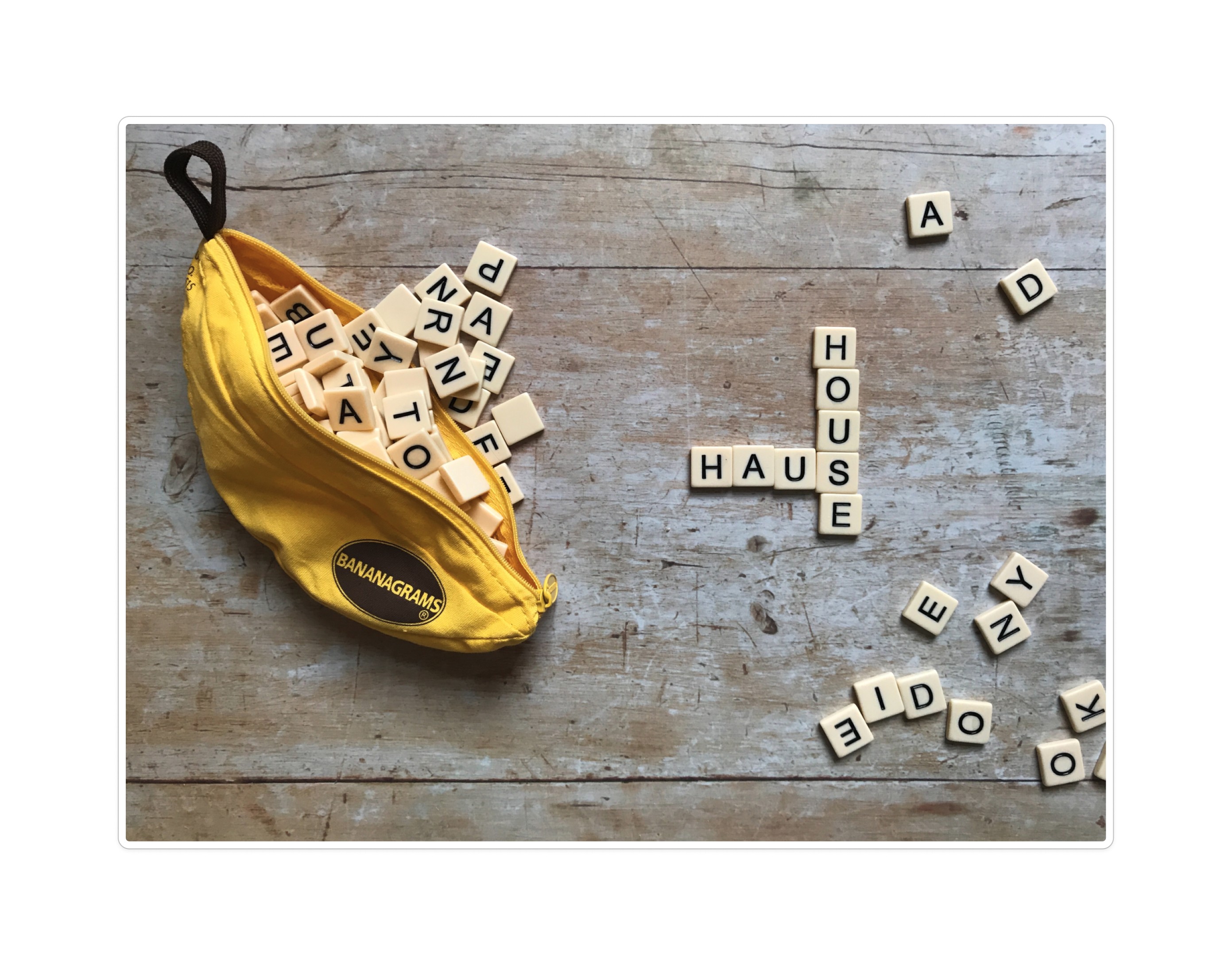
Bananagram
🧠 Skill: Spelling, letter recognition, basic word building
✅ Inspiration: The idea of building words from loose letters influenced our Word Crafter game — but we simplified it for emerging readers by offering letter guidance, hints, and vocabulary from the storybook.
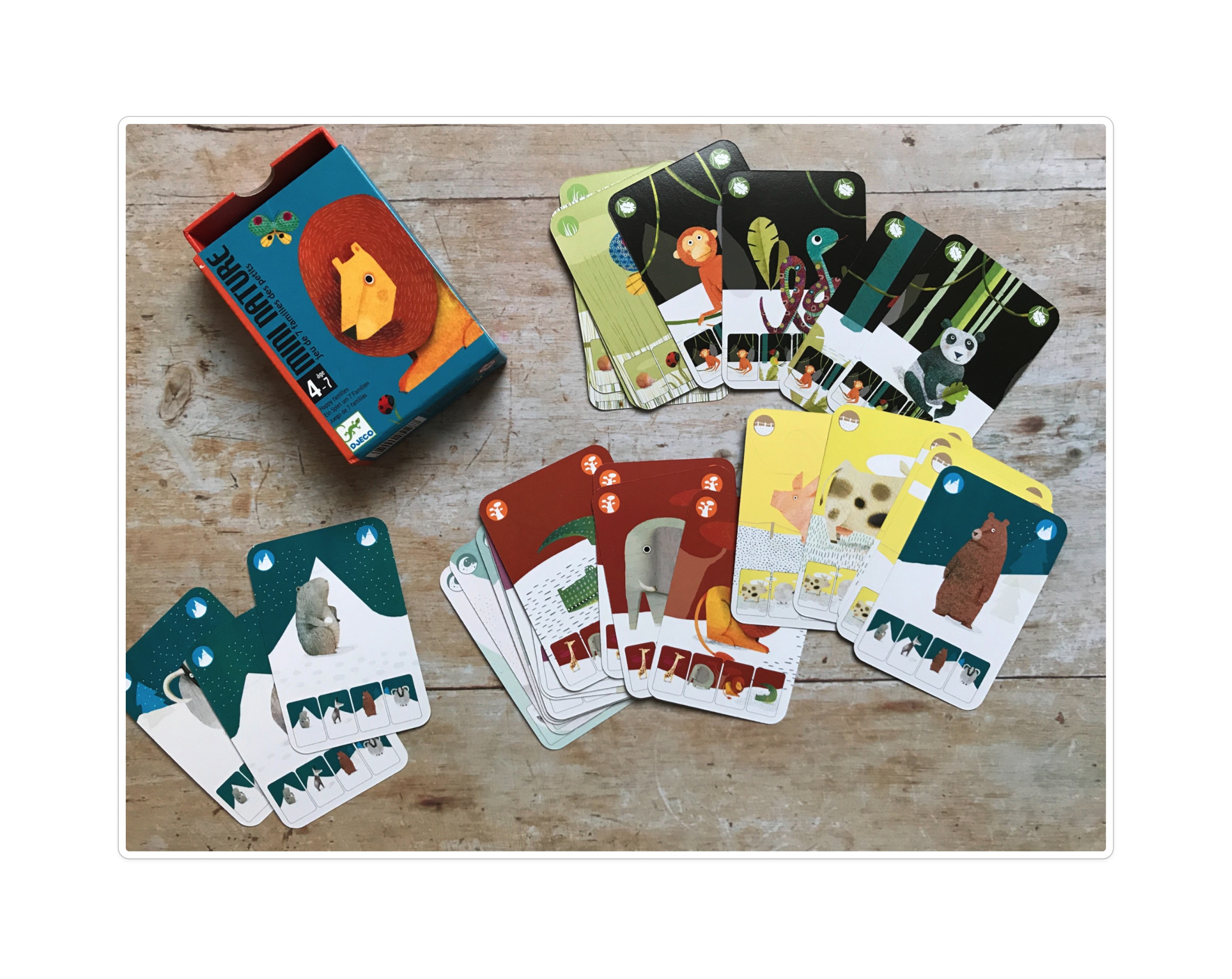
Picture Puzzle
🧠 Skill: Visual matching, logical thinking, categorization
✅ Inspiration: The illustration-based card system influenced our Match & Learn game, where kids pair words with visuals from the story. Clear visual anchors are perfect for bilingual reinforcement at this age.
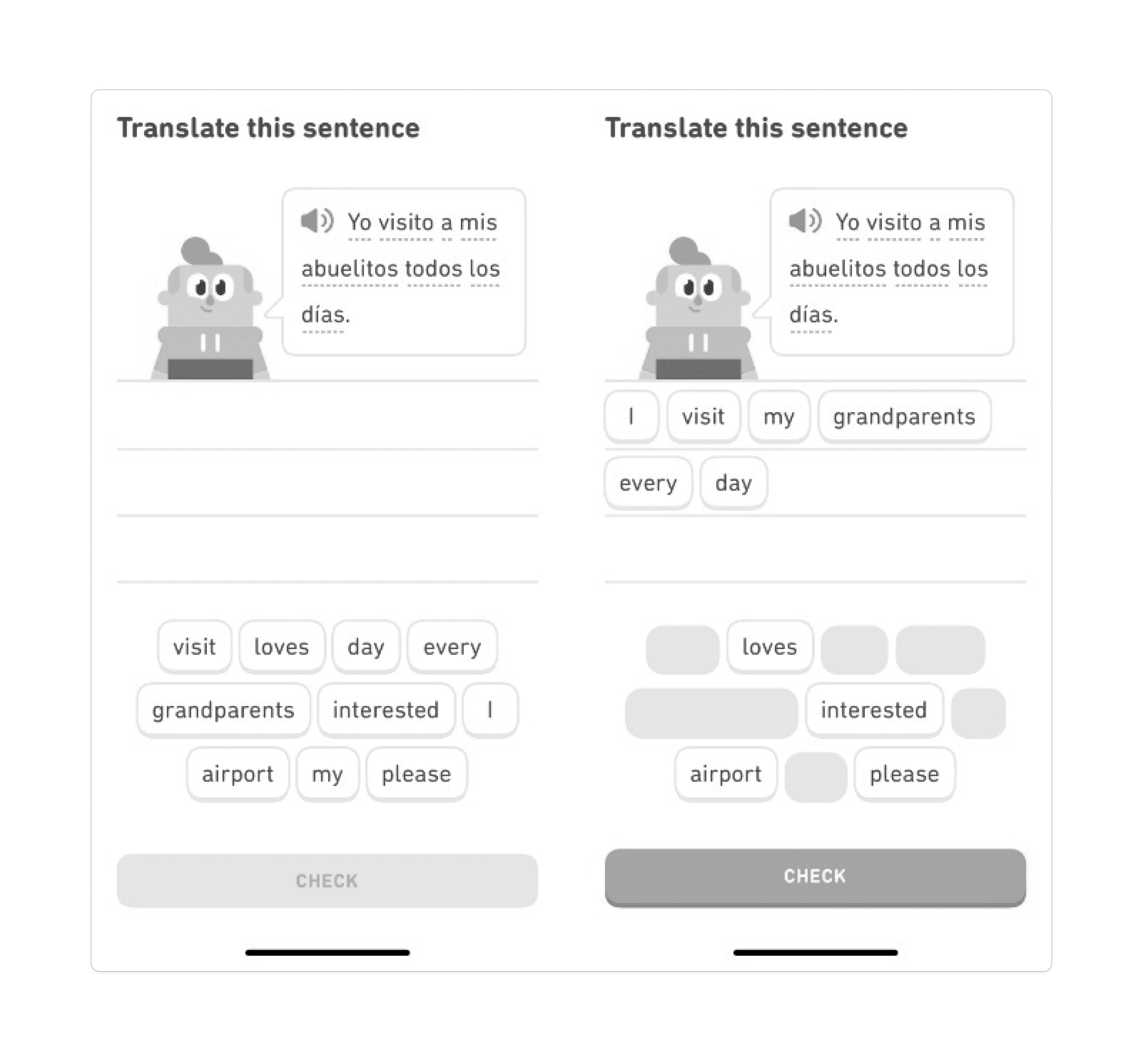
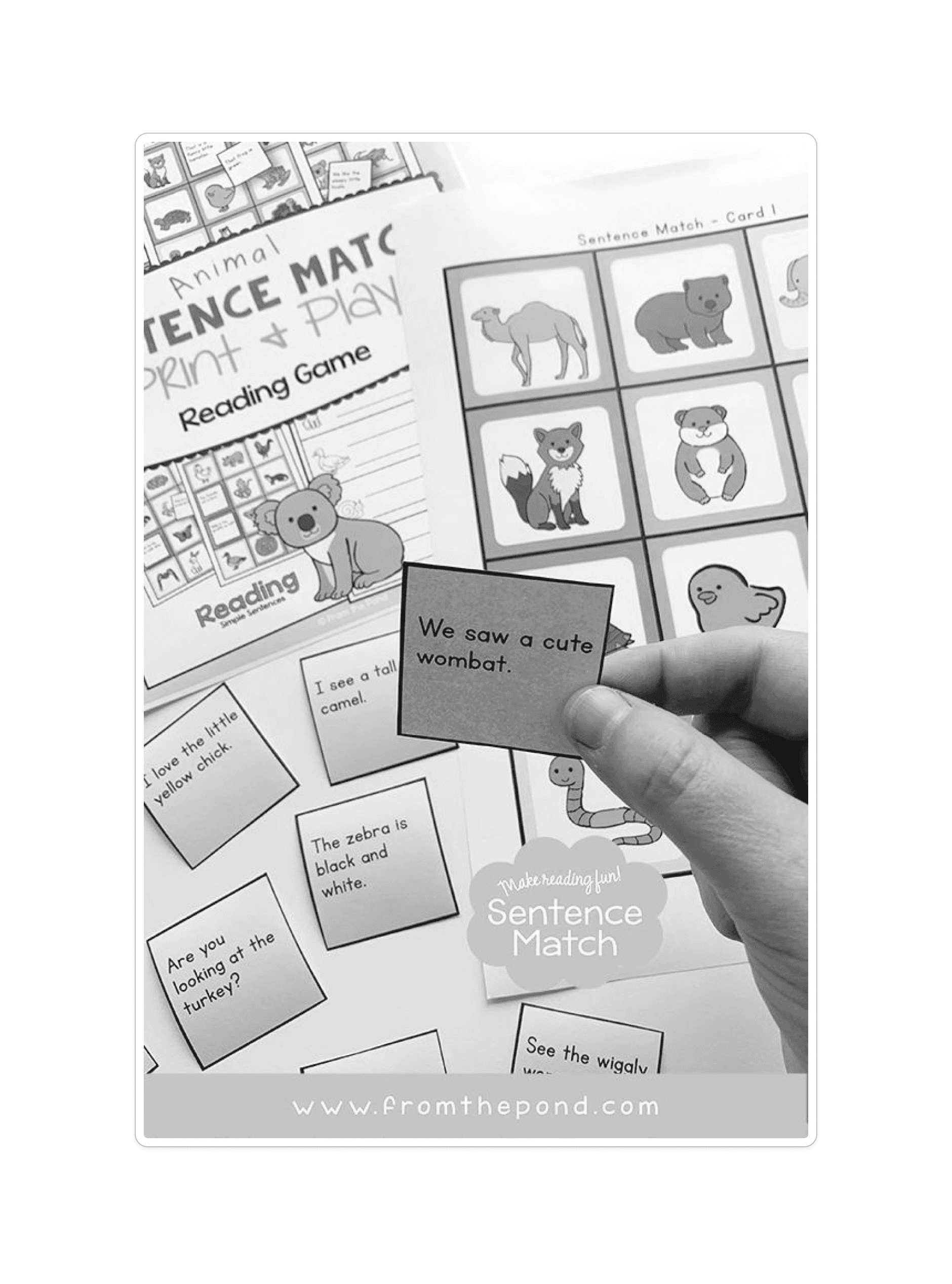
Sentence Matching & Building
✏️ Skill: Reading comprehension, sentence structure, syntax, bilingualism
❌ Inspiration: Our language professor informed us that sentence-building was above the level of K-1 kids. Therefore, we removed any game that deals with sentence building and structure.
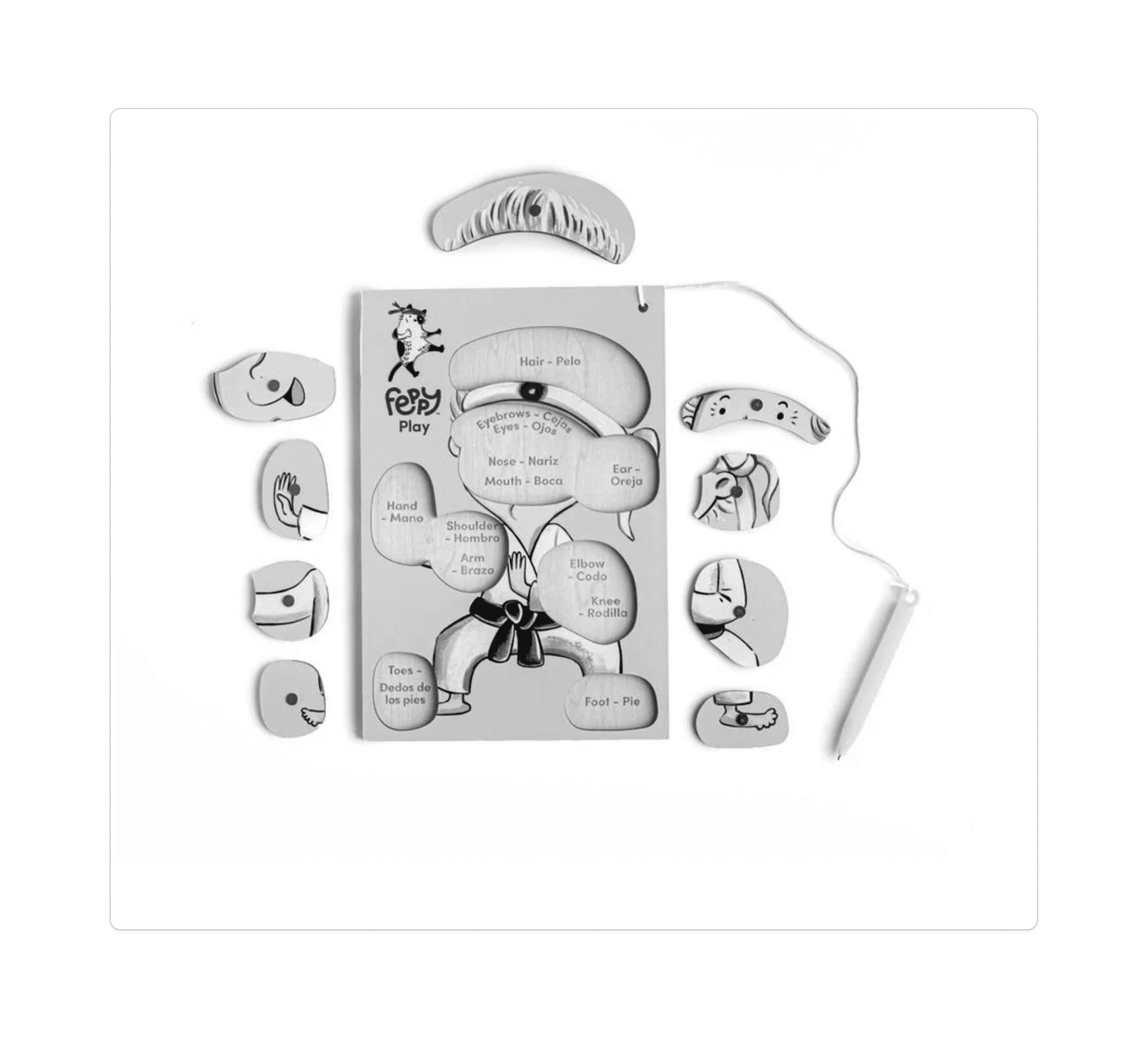
Language Puzzle
🧠 Skill: Word association, hands on spatial interation
❌ Inspiration: Implementing this would be too challenging from the design and software engineering point of view given our budget and time constraints.
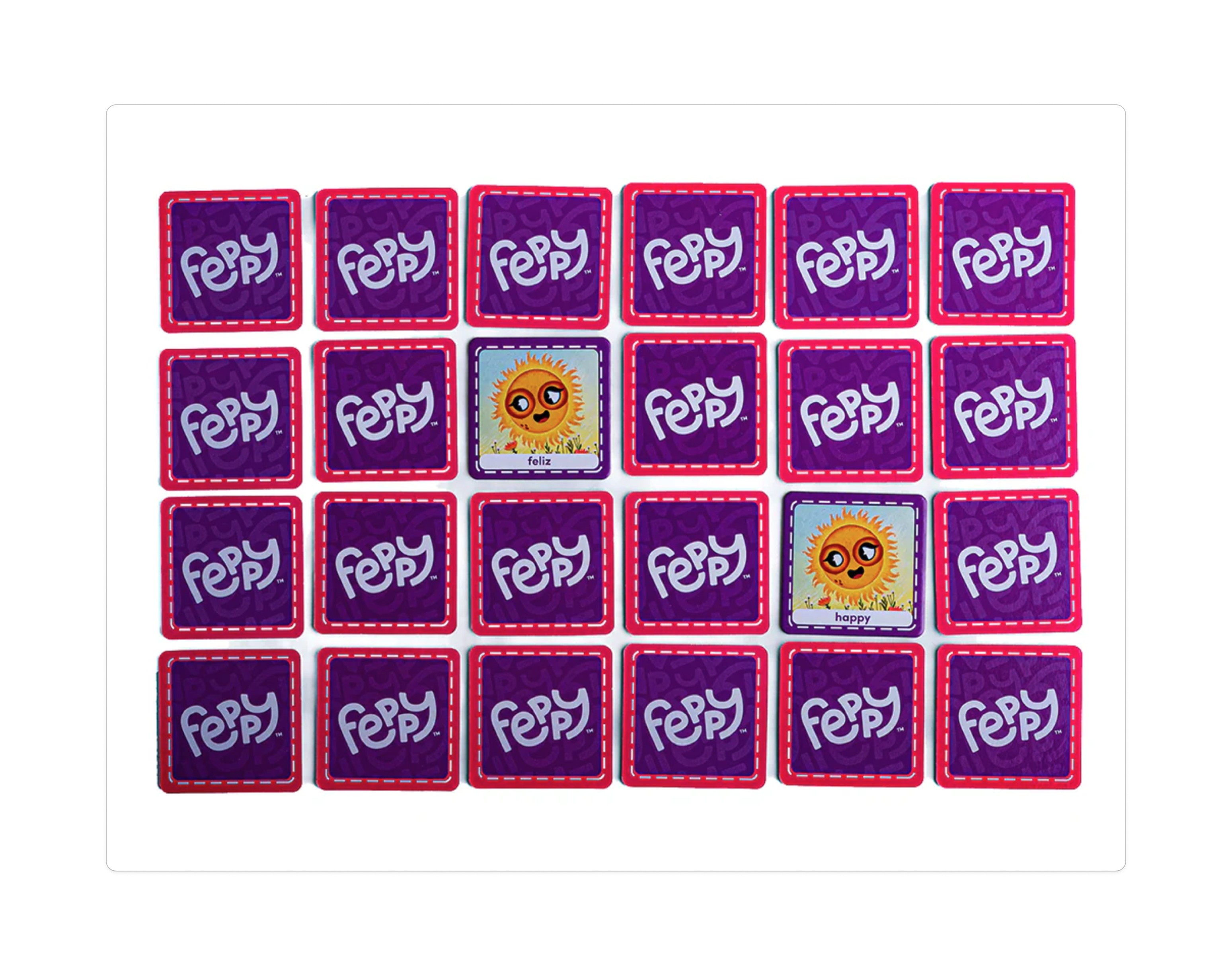
Feppy Card Matching Game
🌐 Skill: Word recognition, memory, language association
✅ Inspiration: Excellent — simple mechanics (flipping cards to match pairs) make it highly accessible for early learners. This game validated the core of our Memory Cards — using familiar memory gameplay to make bilingual learning feel fun and achievable.
Based on our desk research and collaboration with bilingual teachers and Spanish professors, we made a focused decision to include just three games.
Memory Card Game
Word Crafting Game
Match and Learn Game
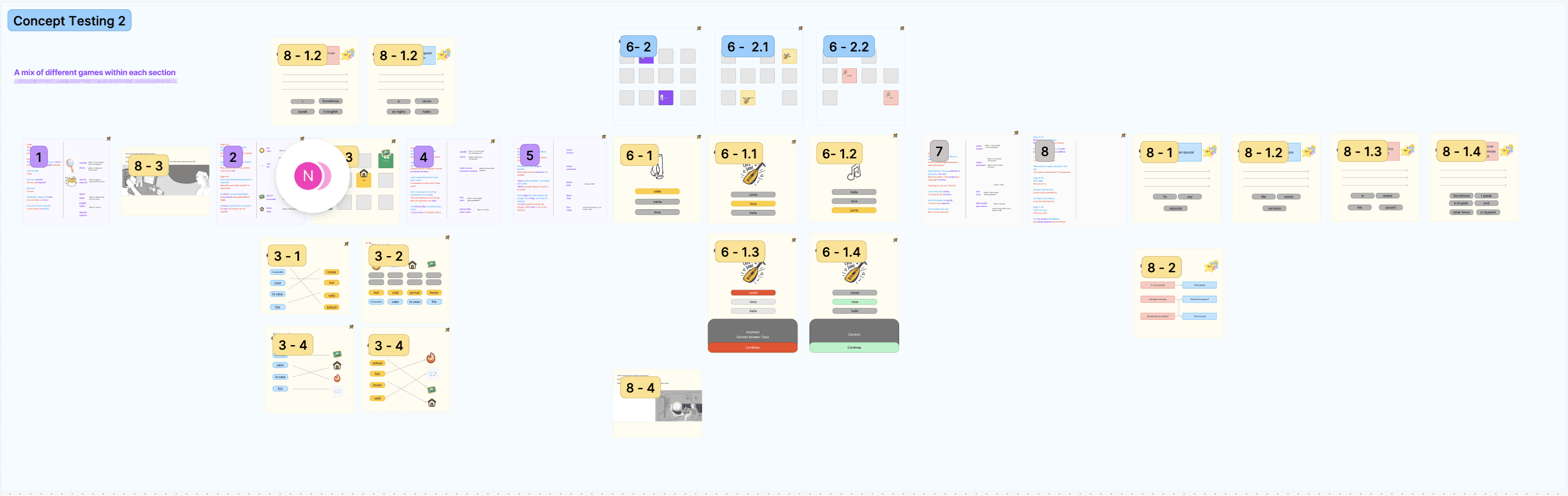
❌ Idea 1: Mix different types of games throughout the story to create a dynamic, interactive reading journey.
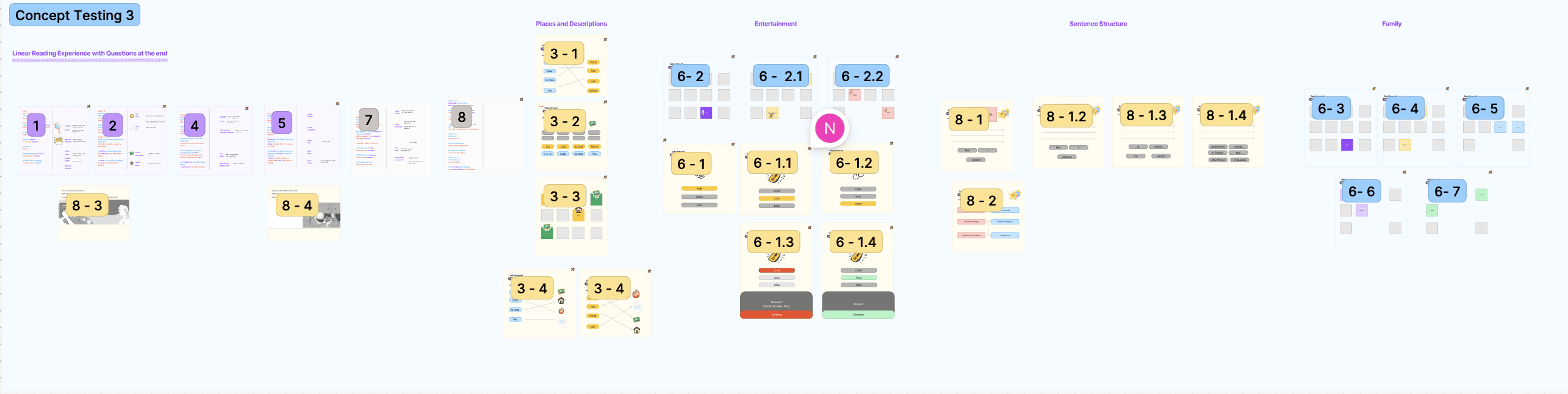
✅ Idea 2: Keep the games in a separate tab, allowing kids to explore them independently after reading.
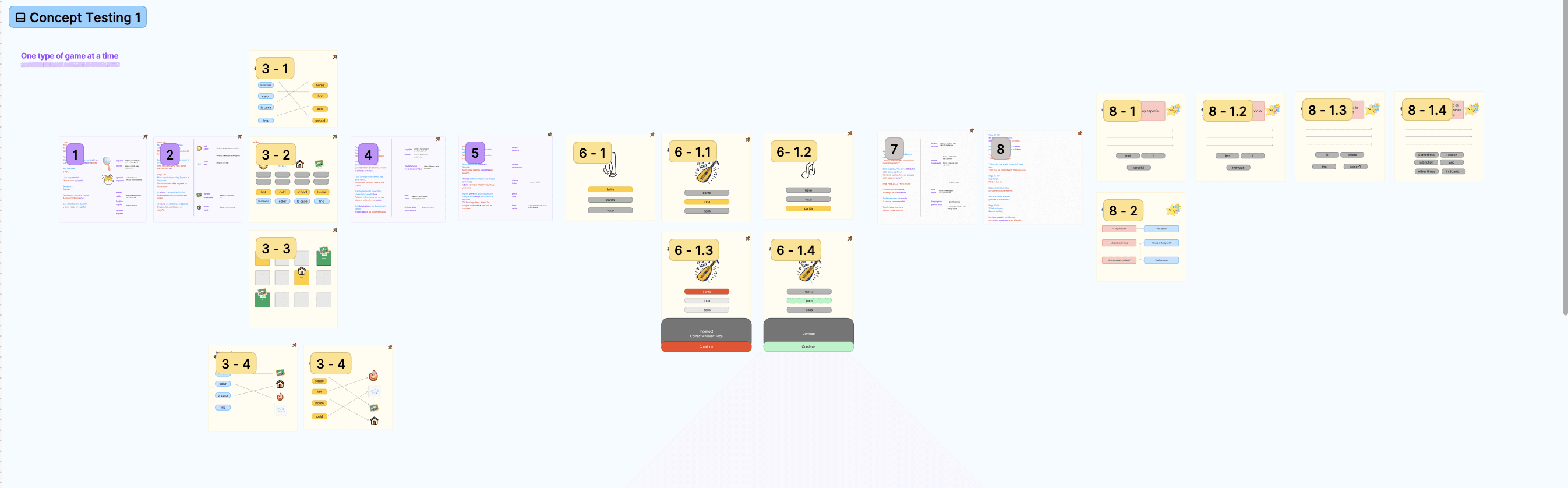
❌ Idea 3: Introduce one type of game after each story section to reinforce vocabulary progressively as the story unfolds.
USER TESTING
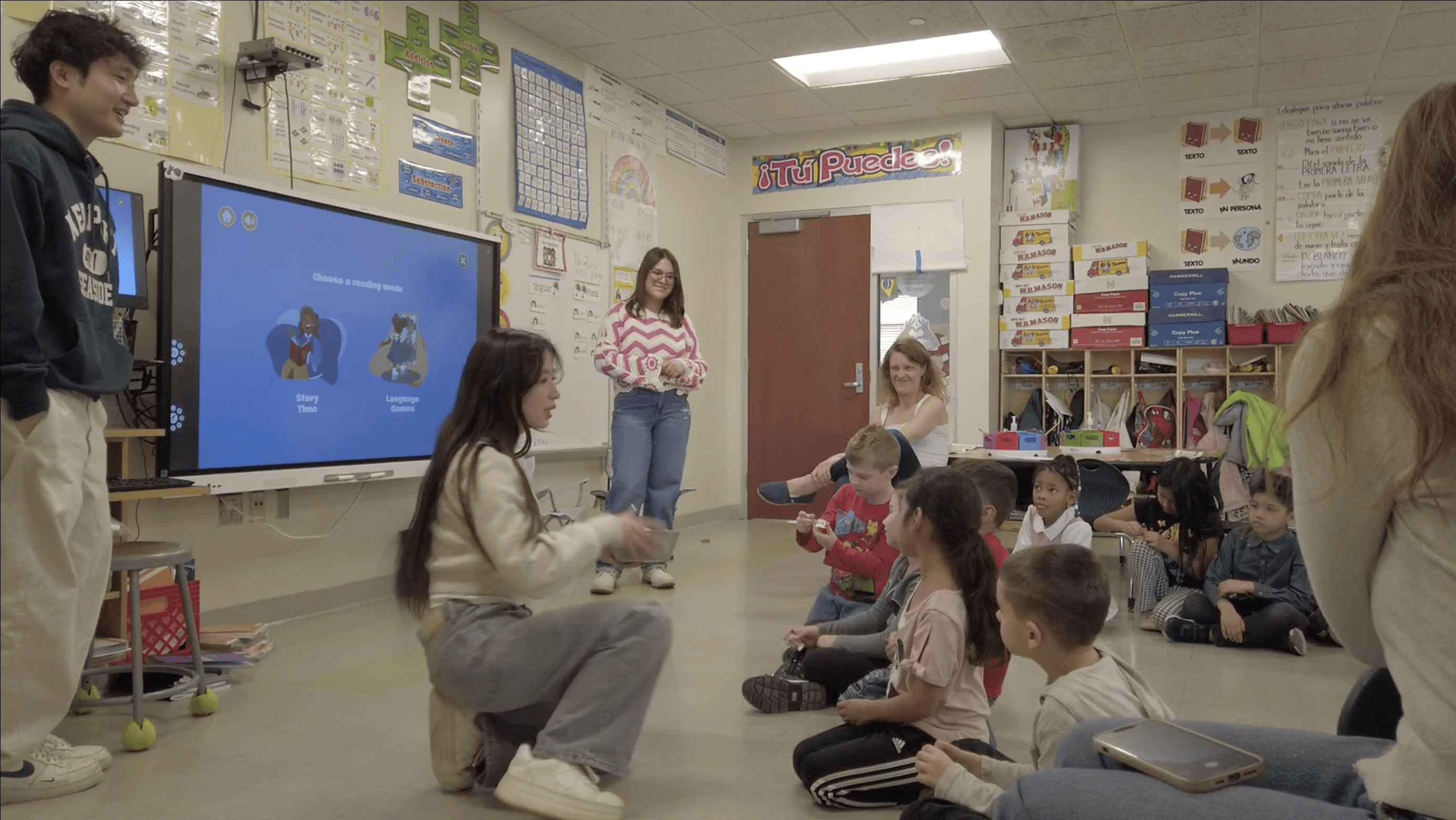
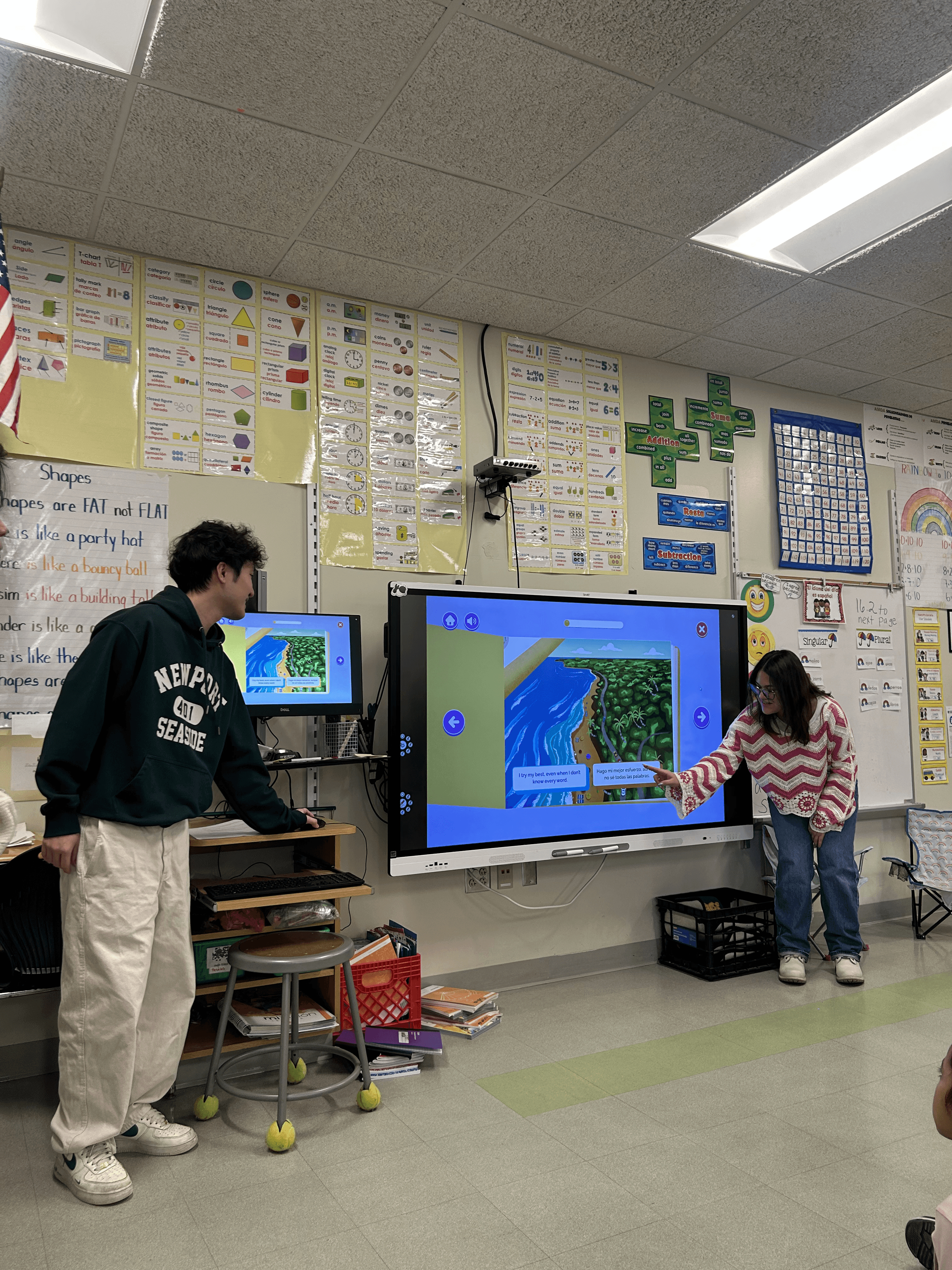
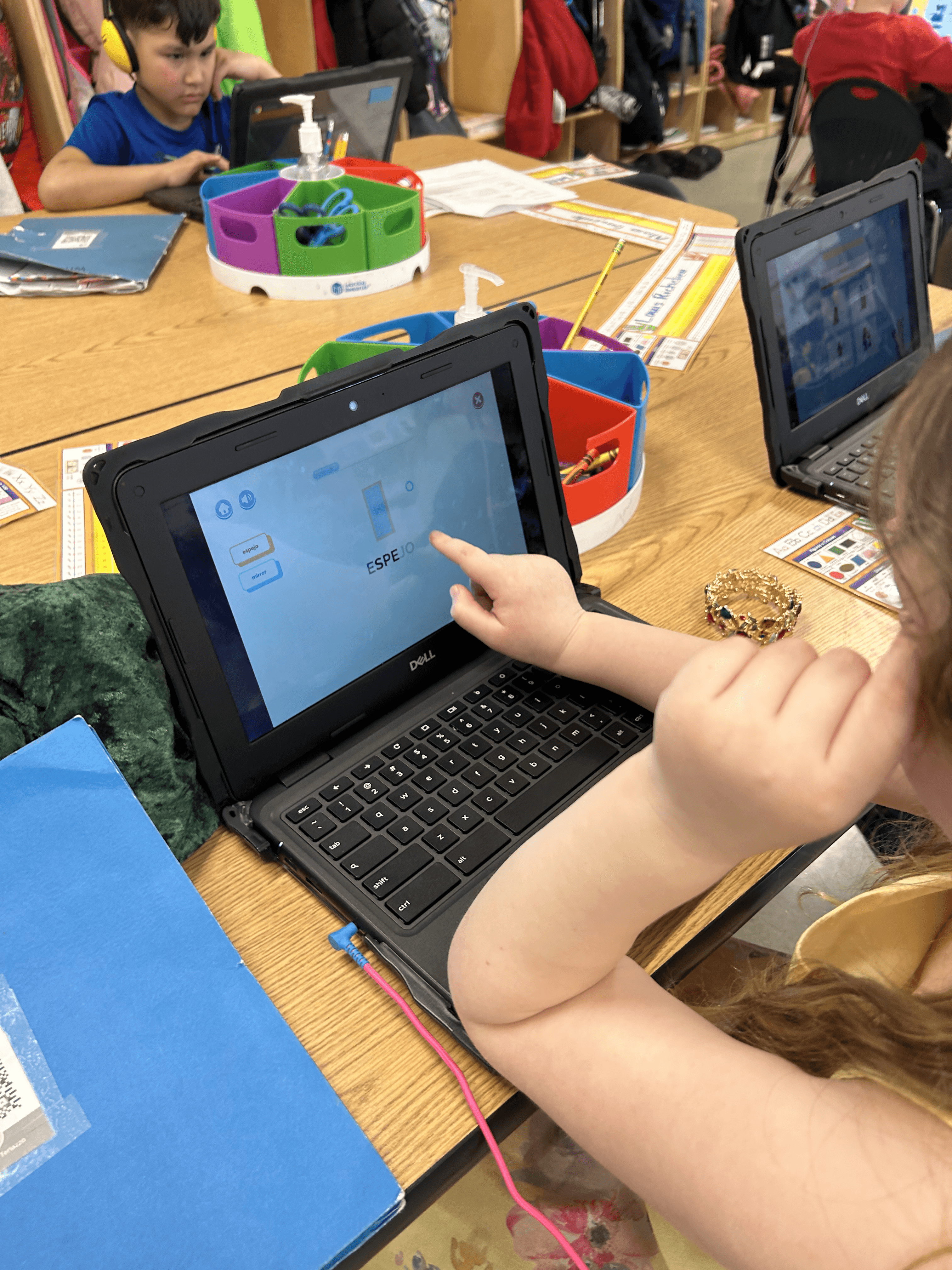
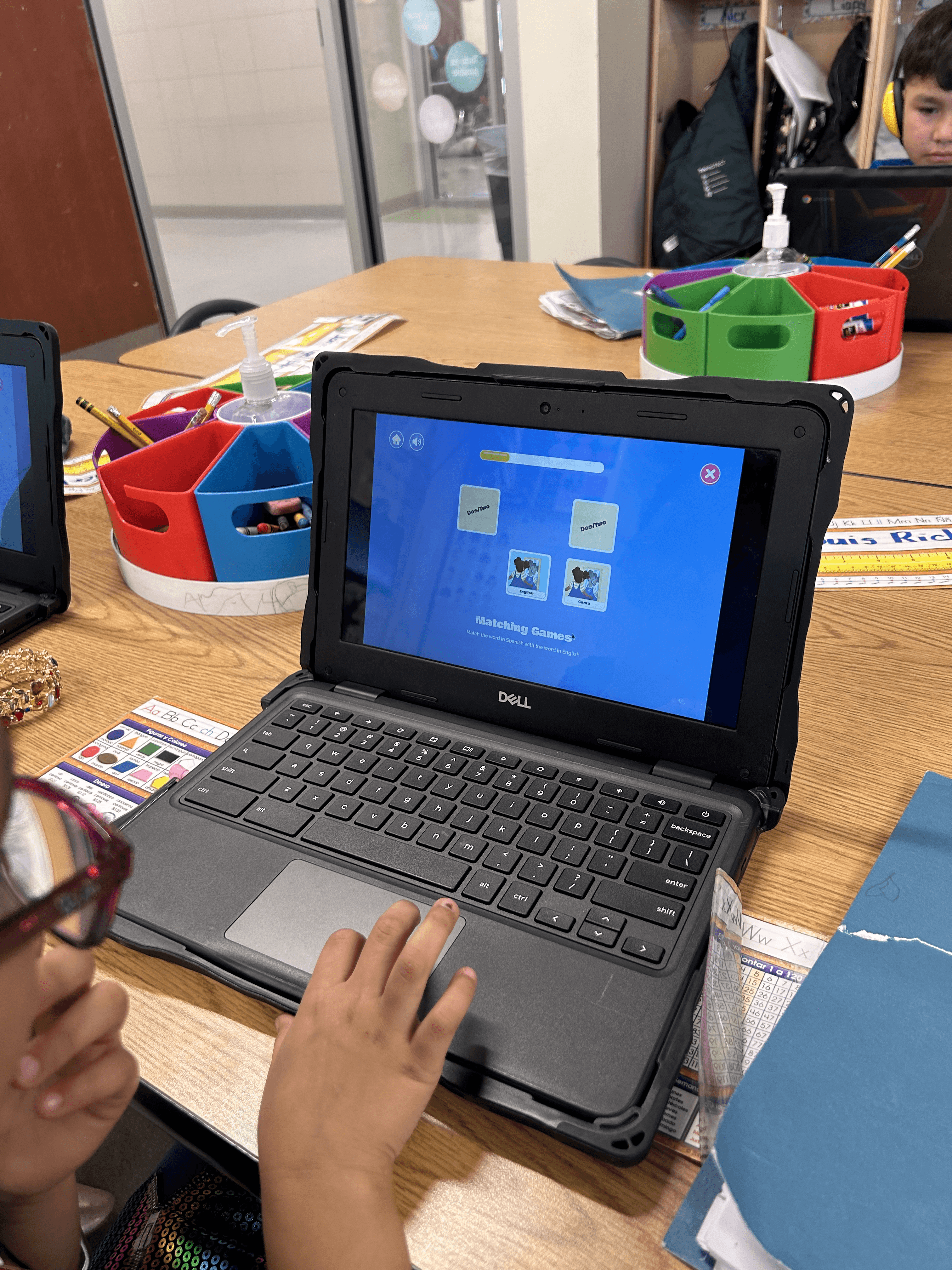
Our team visited two first-grade classrooms at a bilingual school to test our concept with kids. Our goal was to observe how they interacted with the prototype, gather feedback, and assess its effectiveness.


FEEDBACK
Teachers and kids appreciated the animations, clear textboxes, friendly characters, playful use of bilingualism, and follow-up questions.
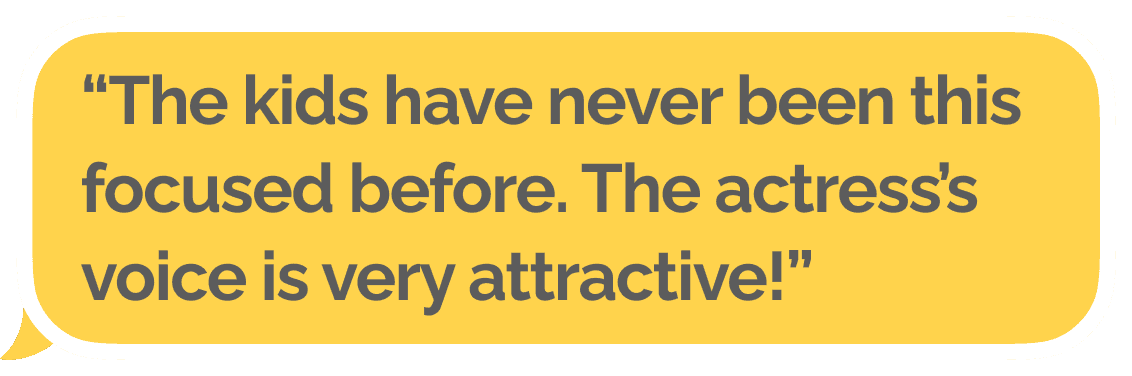
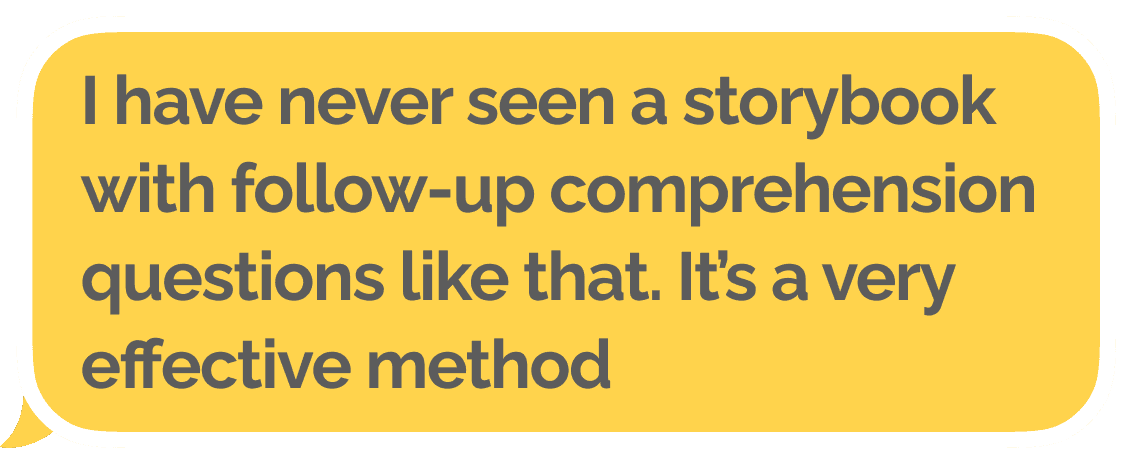
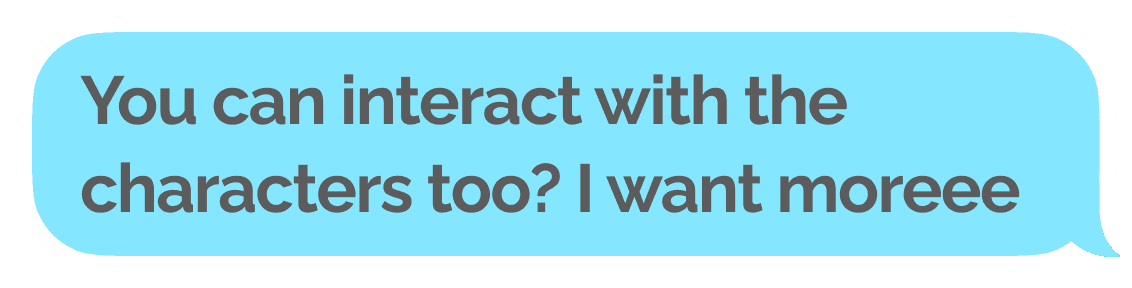
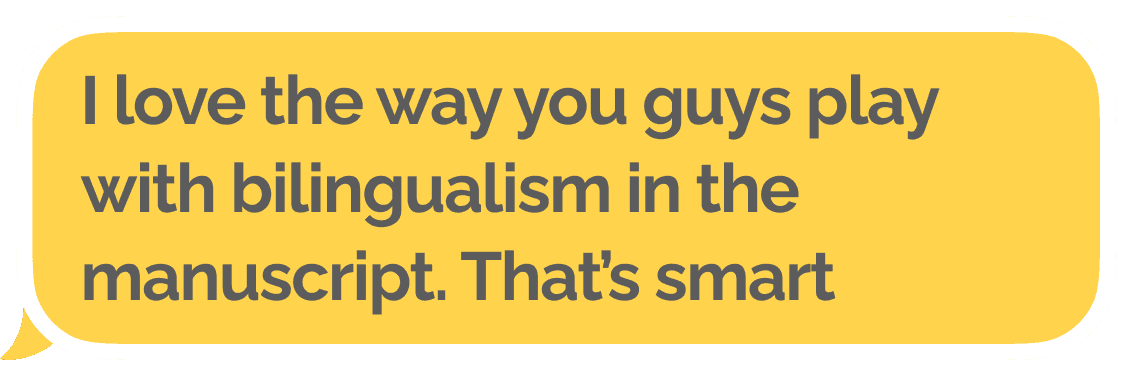
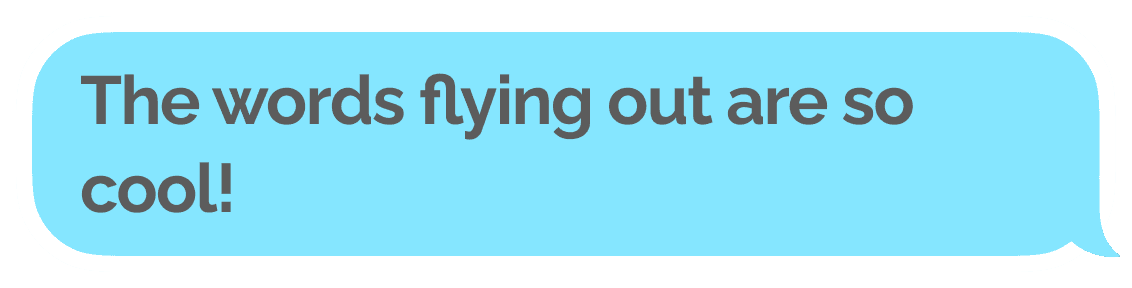
Through our testing, it become evident that interactive animations better grasp the kids' attention and significantly increase engagement. Therefore, I created more animations for almost every page in the book.
MEMORY CARDS
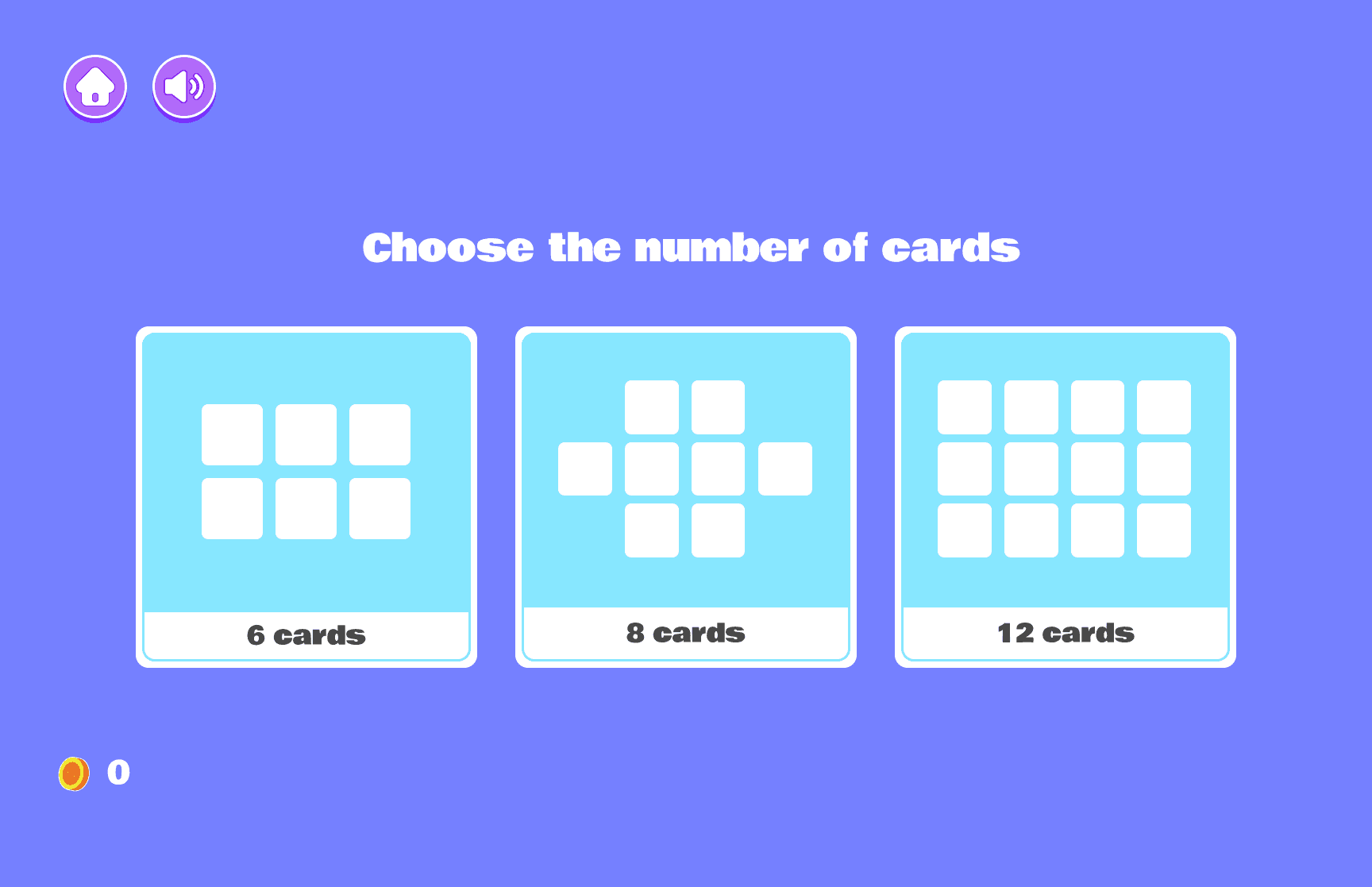
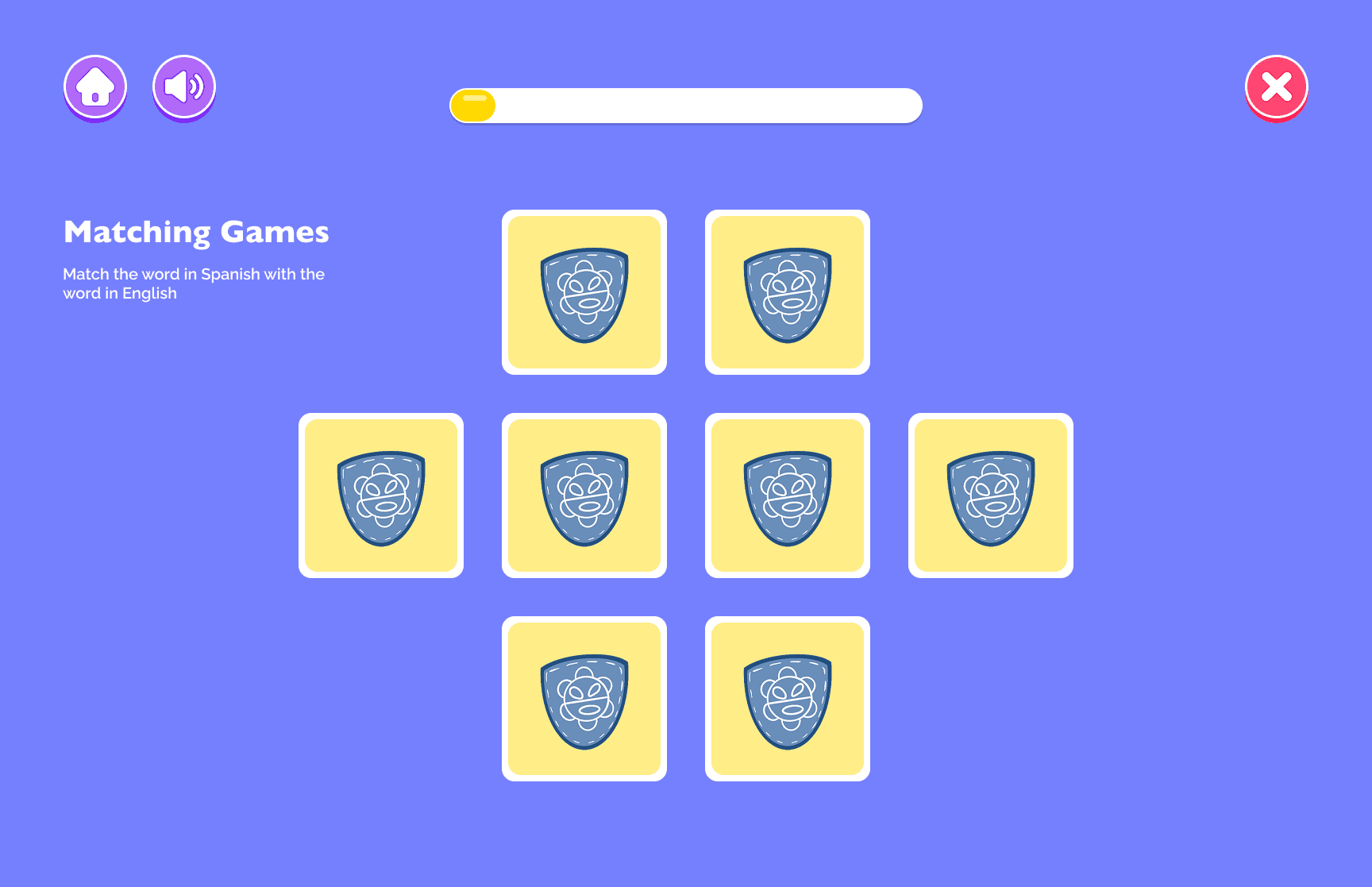
Kids thought that different difficulty levels — like 6, 8, or 12 cards — would make the card matching game more fun and allow kids to challenge themselves as they improve.
WORD CRAFTER
Kids felt the game was a too easy with the reference word shown in the middle, therefore, we included a version without the reference.
✅
✅
MATCH AND LEARN
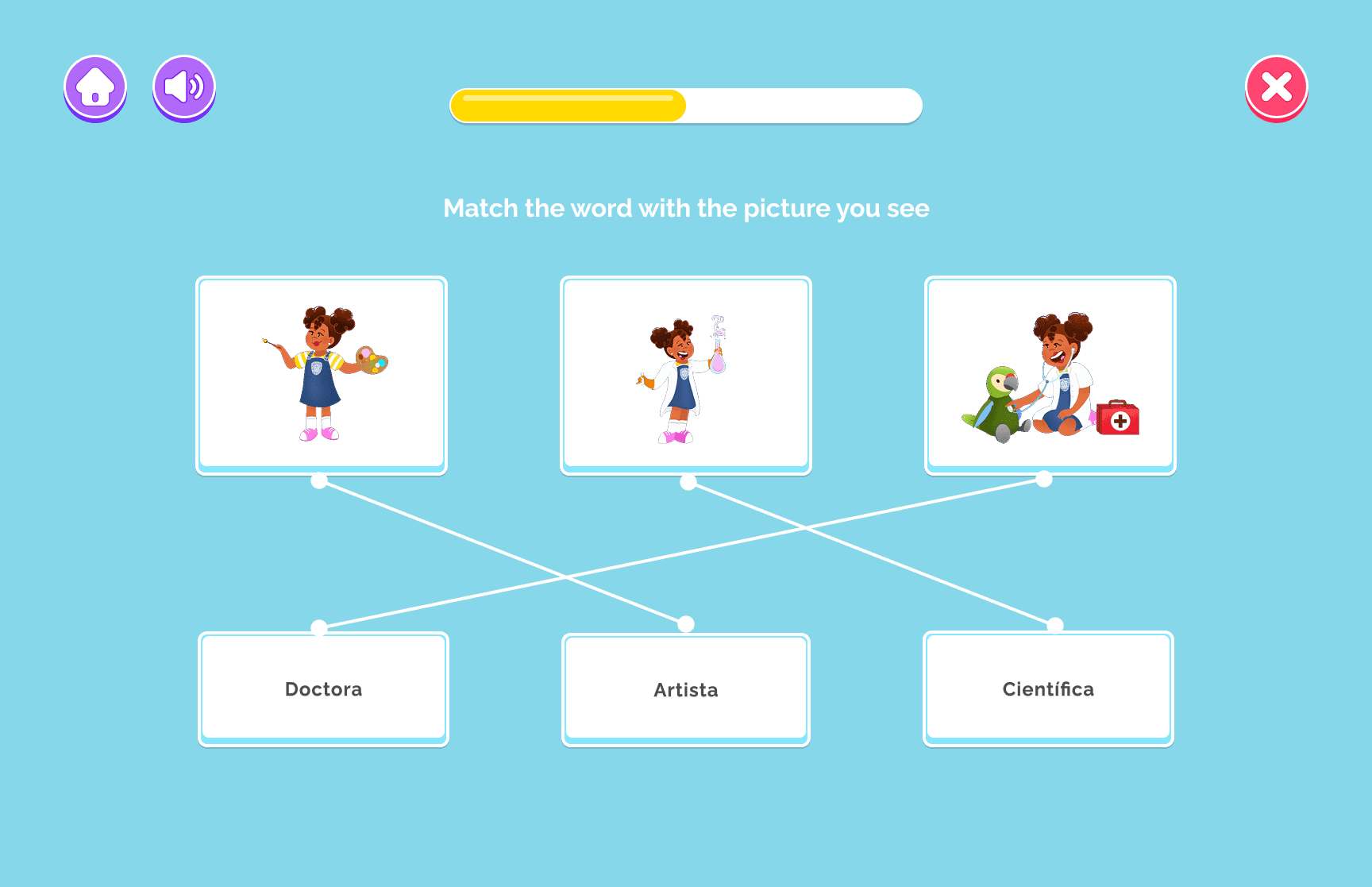
The previous design resembled a multiple-choice exam, which felt too formal and academic. To make it more playful and engaging, we redesigned the interaction to feel more like connecting words.
❌
✅
FINAL DEVELOPMENT
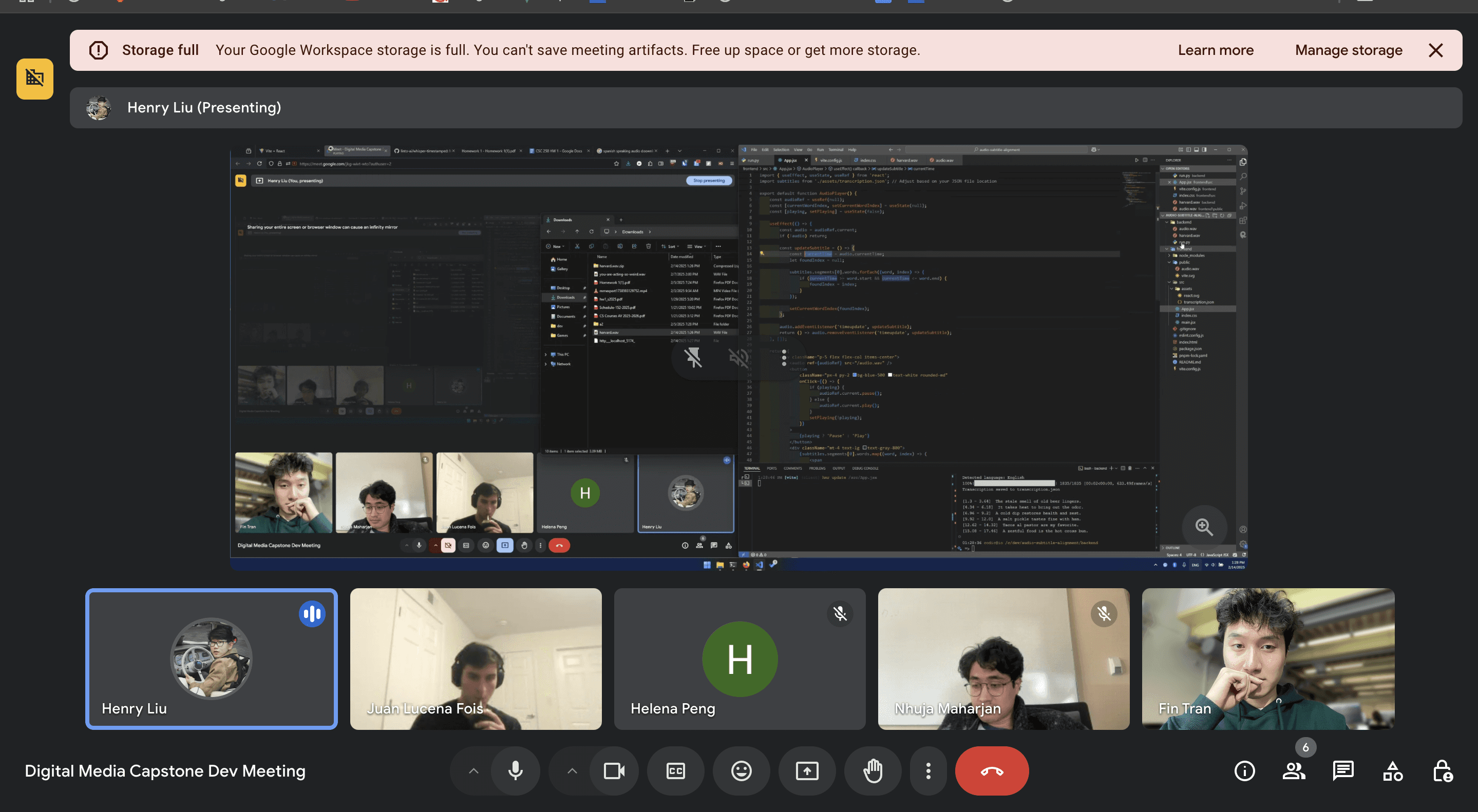
Once the interaction and design are finalized, we spec, ship and collaborated with student engineers to deliver the MVP of the interactive book.
In this stage, it is important to resolve questions in time and provide engineers with specifications regarding user flows, visual assets, and basic front-end code. Our team works with Juan, our lead software developer, to bring this to life.
BUSINESS AND PUBLISHING
As part of the independent publishing process, we are currently discussing key logistics such as how many copies to print, which publishing platform or printer to use, and managing pricing and production expenses. We're also developing a marketing and distribution strategy to ensure the book reaches its intended audience. In addition, we're exploring community-based partnerships with schools, libraries, and cultural organizations to broaden the book’s impact and visibility.
AWARDS